
If you’ve ever wanted to have homesteading, but felt overwhelmed by where to start, you’re not alone.
After spending years exploring frugal living and healthier habits month by month, I realized there was one more journey I wanted to document: a full year of homesteading, learning to grow, cook, and live more self-sufficiently each month.”
Whether you live in the city, a small town, or out in the country, there’s always a way to start. You don’t need a sprawling farm or a dozen animals to begin; what matters is taking that first step.
My family and I have been through it, and trust me, homesteading is a journey—sometimes slow, sometimes messy, but always worth it.
Why Homesteading is a Journey
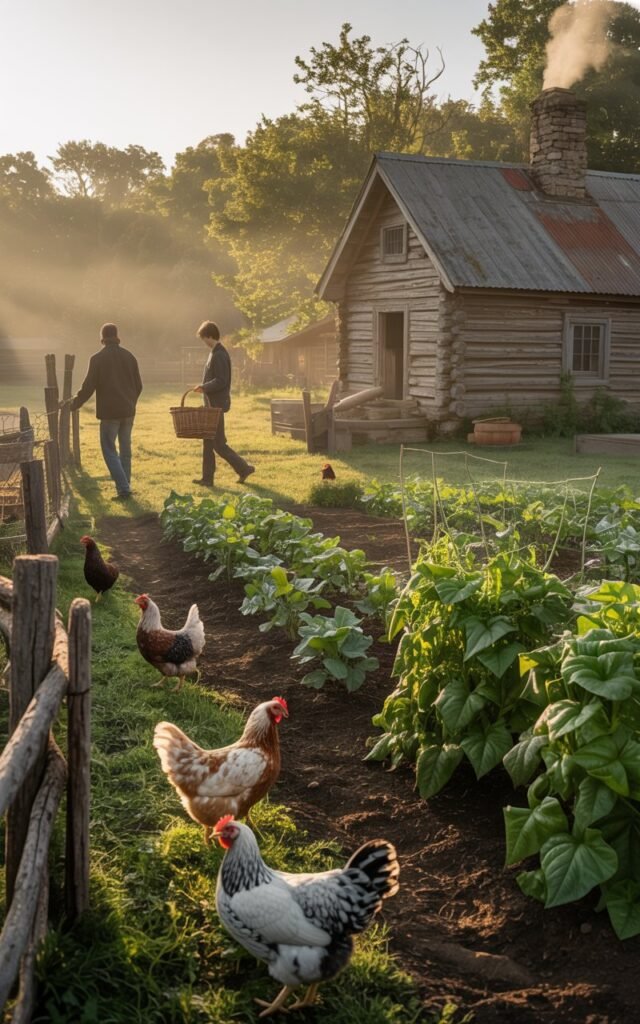
A few years ago, my family and I lived on 2 acres in the country. Our homestead wasn’t huge, but over time, we cared for laying hens, meat birds, goats, pigs, lambs, and ducks.
We learned quickly that homesteading isn’t about doing everything perfectly—it’s about building slowly, learning as you go, and embracing the process.
After some life changes, we moved seven hours away and ended up in a small town. Our homesteading dreams didn’t stop; we adapted.
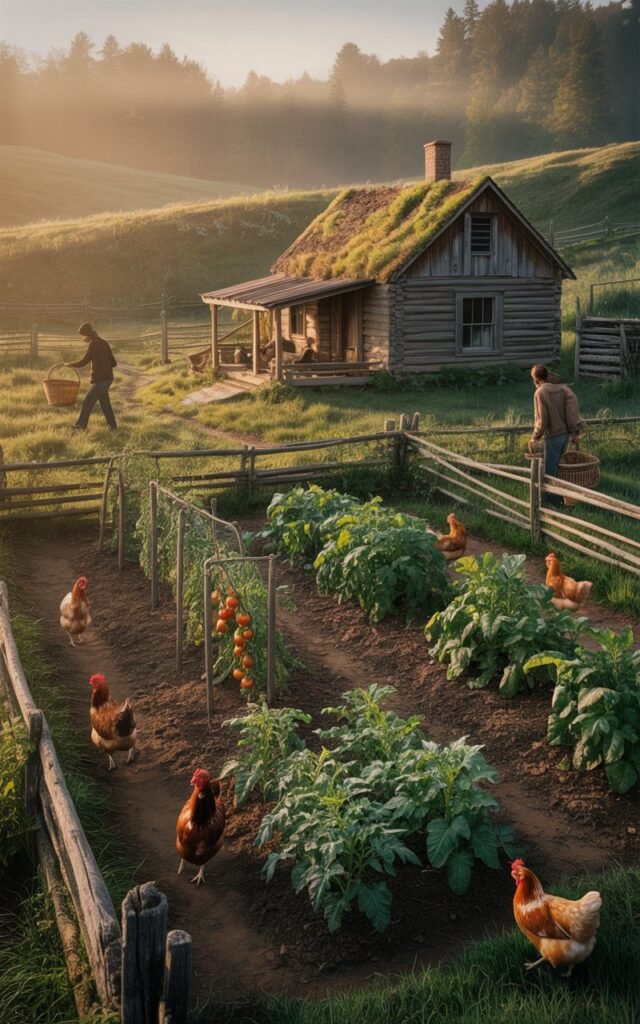
We started small, focusing on what we could do—gardening, sourdough bread, and a small backyard flock.
The key lesson I’ve learned is this: homesteading is flexible. It’s okay if your plans change or if life puts you back at square one.
Every step forward, even small ones, brings you closer to your ideal homestead.
Month-by-Month Homesteading Plan
Here’s a practical roadmap that my family and I follow. Think of it as a homesteading checklist—12 months of achievable steps to grow your skills, confidence, and independence.
Month 1: Learn & Research

January is perfect for diving into books, online tutorials, and homesteading communities.
Depending on your climate, outdoor projects may be limited, so use this time to learn about gardening, raising animals, and sustainable living.
My favorites:
- The Backyard Homestead
- The Elliott Homestead Life: Welcome to the Farm
Pro Tip: Keep a homestead planner handy. Writing down your goals, projects, and lessons learned keeps us organized and motivated.
Month 2: Start Planning Your Garden
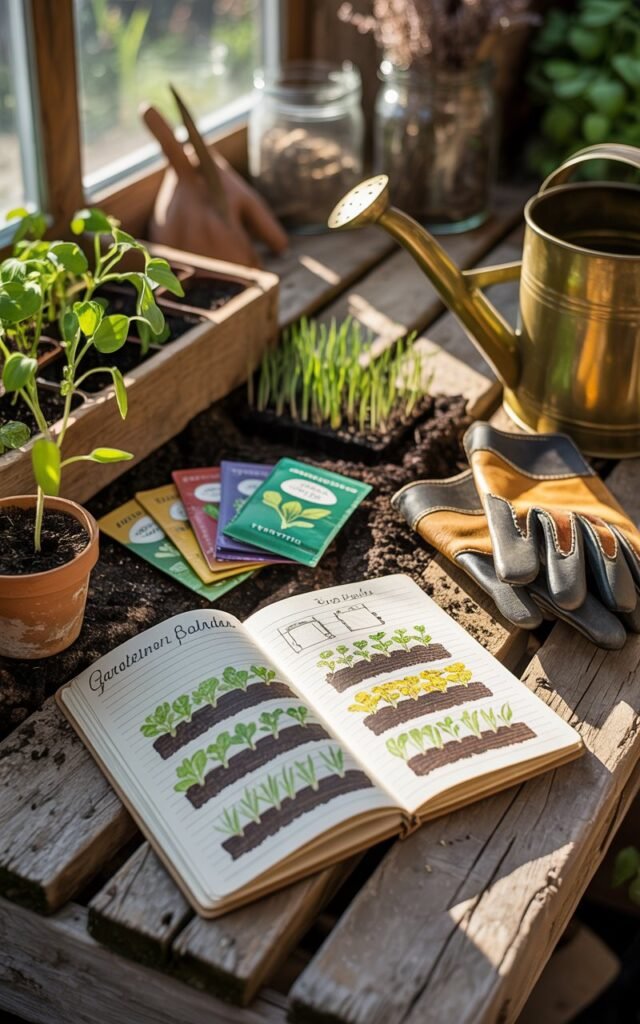
February is the month to map out your garden. Even if you live in an apartment, container gardening is an option.
Start small with easy-to-grow vegetables and herbs, and expand each year as your confidence grows.
My tips:
- Make seed pots from newspapers or toilet paper rolls
- Start with beginner-friendly crops like lettuce, radishes, or cherry tomatoes
- Order your seeds early—West Coast Seeds has a great selection
Month 3: Master Cooking from Scratch
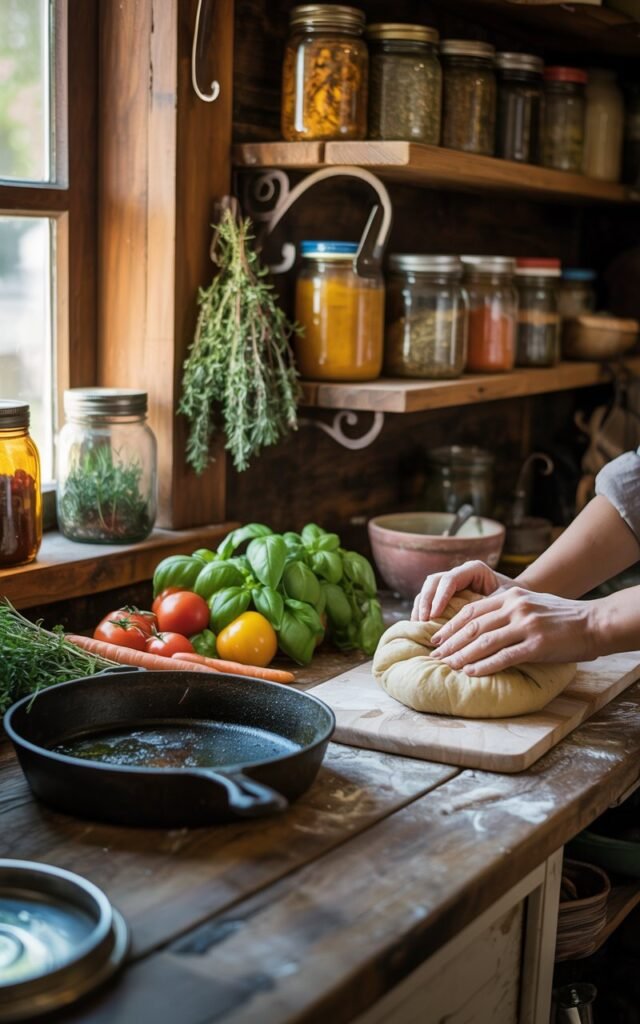
March is a perfect time to focus on cooking. Homesteading isn’t just about growing your own food—it’s about preparing it yourself.
Cutting back on convenience foods and learning to make meals from scratch is empowering.
My go-to:
- Baking your own bread (my family can’t get enough!)
- Homemade sauces and pantry staples
- Simple recipes for weeknight dinners
Month 4: Build a Chicken Coop
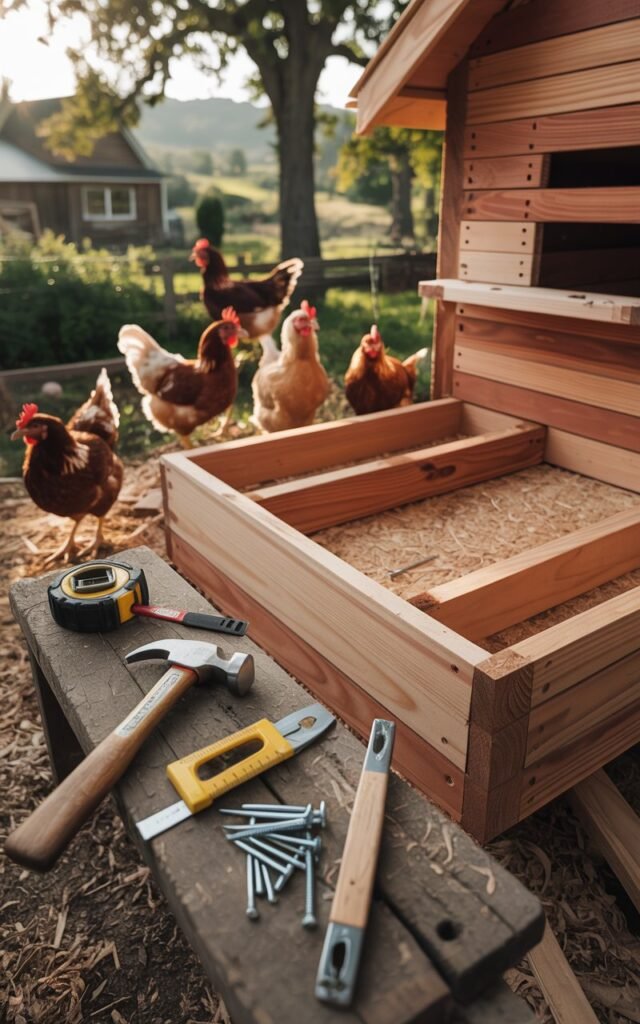
April is coop season! A coop is essential if you plan to raise chickens in the coming months.
You can buy one, repurpose an old shed, or build one from scratch. I love seeing all the creative variations people make—it’s fun and functional!
Month 5: Bring Home Your First Chicks
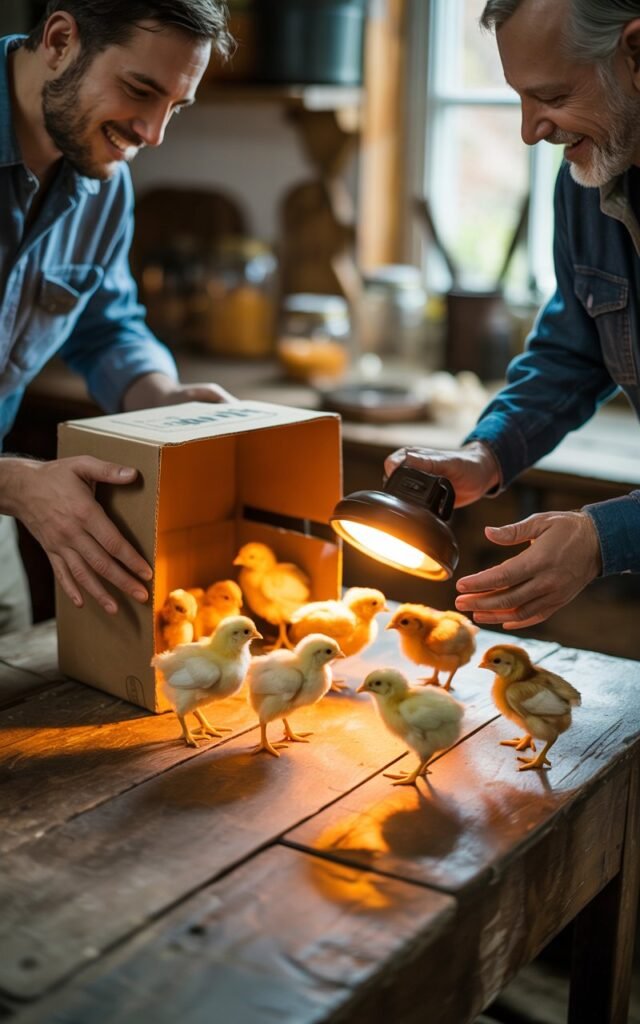
May is perfect for welcoming baby chicks. Most homesteaders start with chickens because they’re easy to care for, space-efficient, and provide eggs quickly.
My family and friends love watching the little ones grow—they bring so much joy to the homestead!
Month 6: Start Preserving Food
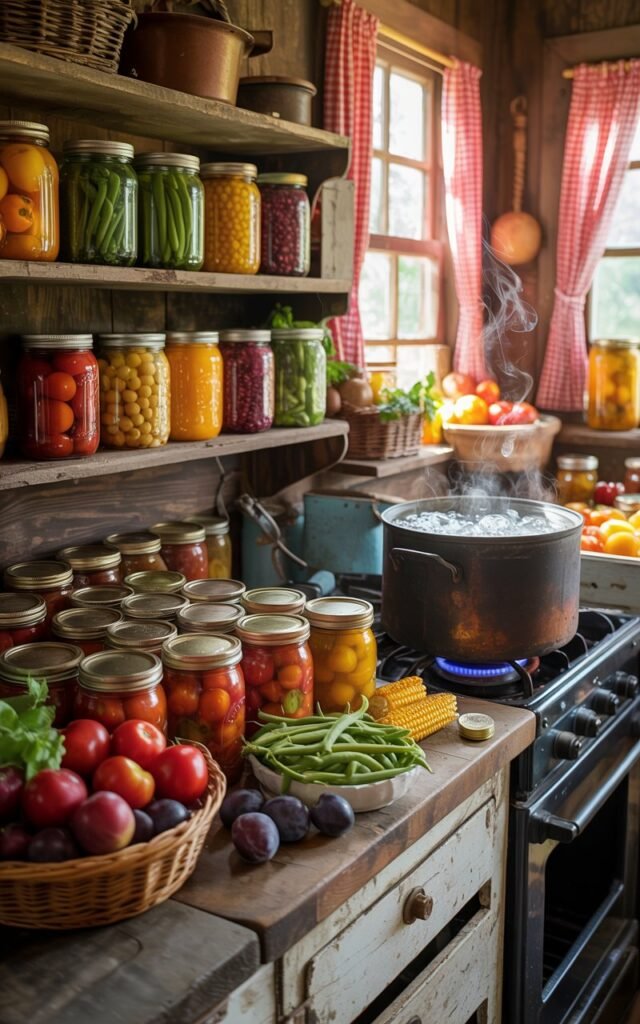
June is all about preserving the bounty. My family and I begin canning, freezing, and drying produce from our garden.
Preserving food ensures we enjoy our harvest long after the season ends.
Tips for beginners:
- Start with herbs, berries, and tomatoes
- Learn simple water bath canning techniques
- Label everything—it makes life so much easier
Month 7: Expand Your Animal Care Skills
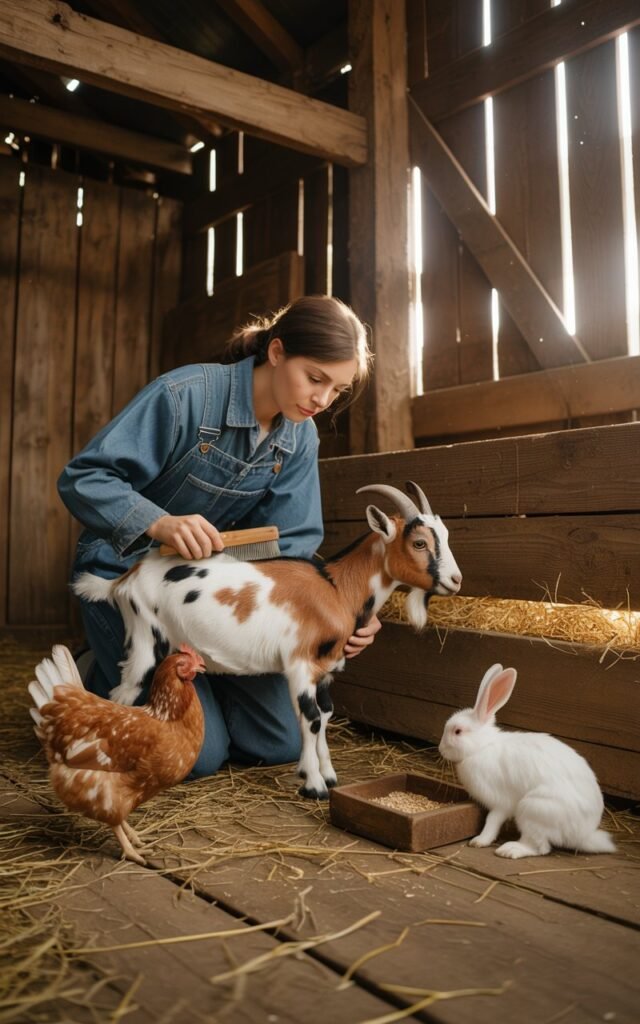
July is the month to expand your homestead animals if space allows. Introduce goats, rabbits, or bees, depending on your comfort level.
Start small and learn as you go—homesteading is a process, not a race.
Month 8: Compost & Soil Improvement
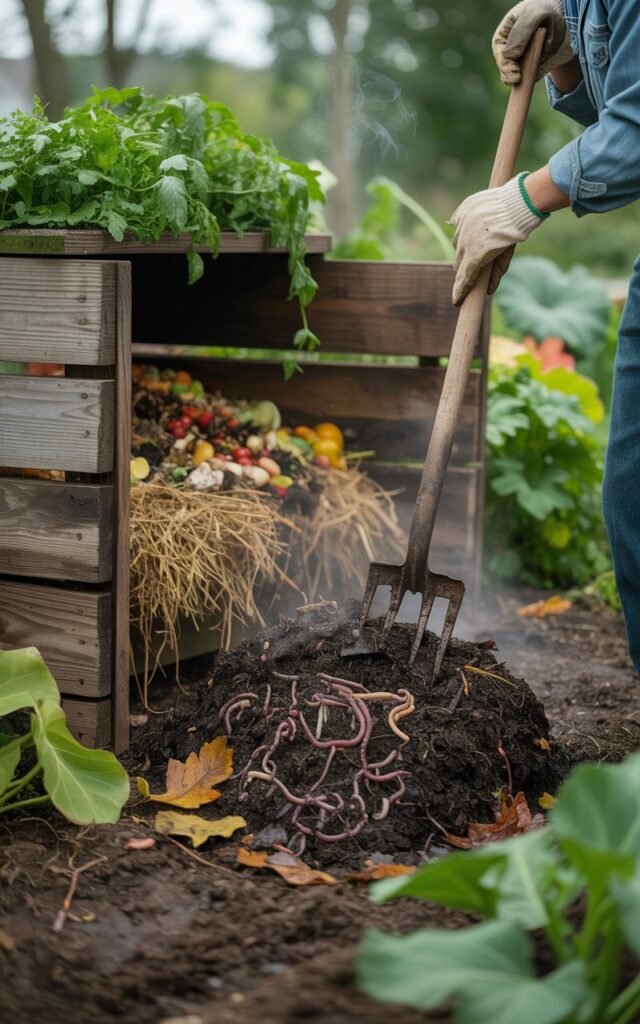
August is perfect for working on the soil. Composting keeps your garden healthy and sustainable.
My family loves our compost piles—they’re smelly at first, but the reward is rich soil for next year’s garden!
Month 9: Preserve & Rotate Crops
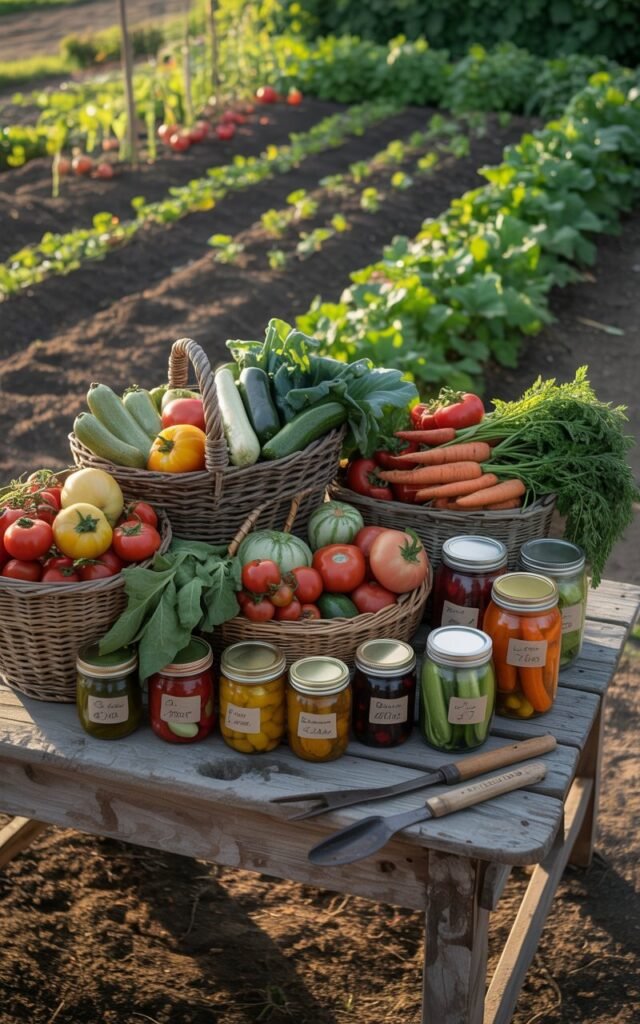
September is harvest season. Rotate crops, preserve your vegetables, and prepare for winter.
Learning crop rotation early saves headaches and ensures a more productive garden next year.
Month 10: Focus on DIY Projects
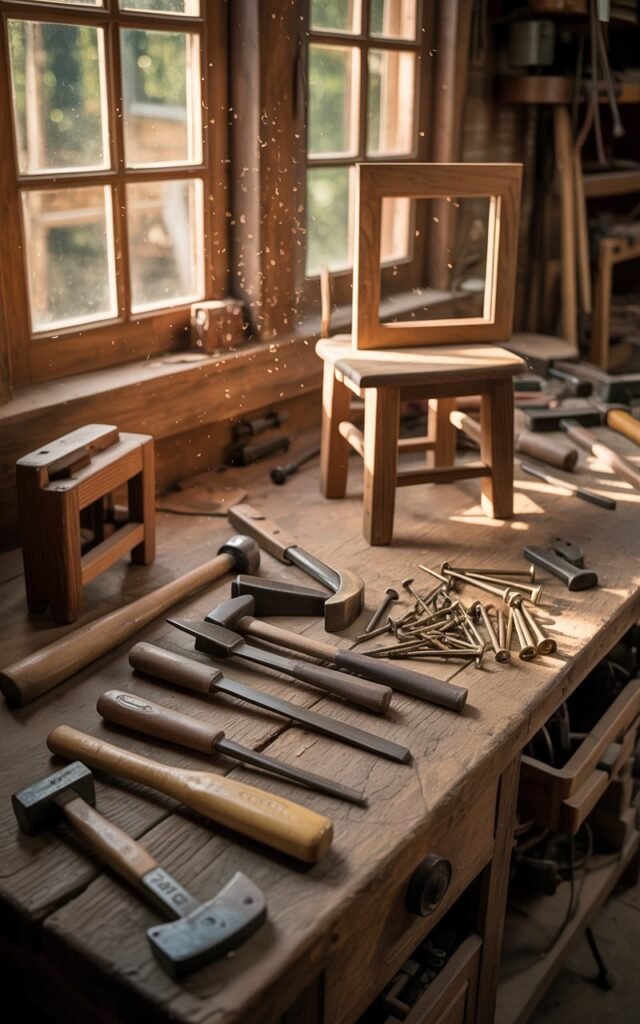
October is for homestead DIY. Build raised beds, create chicken run extensions, or start woodworking projects.
My family and friends always get involved—we turn it into a fun weekend activity!
Month 11: Prep for Winter
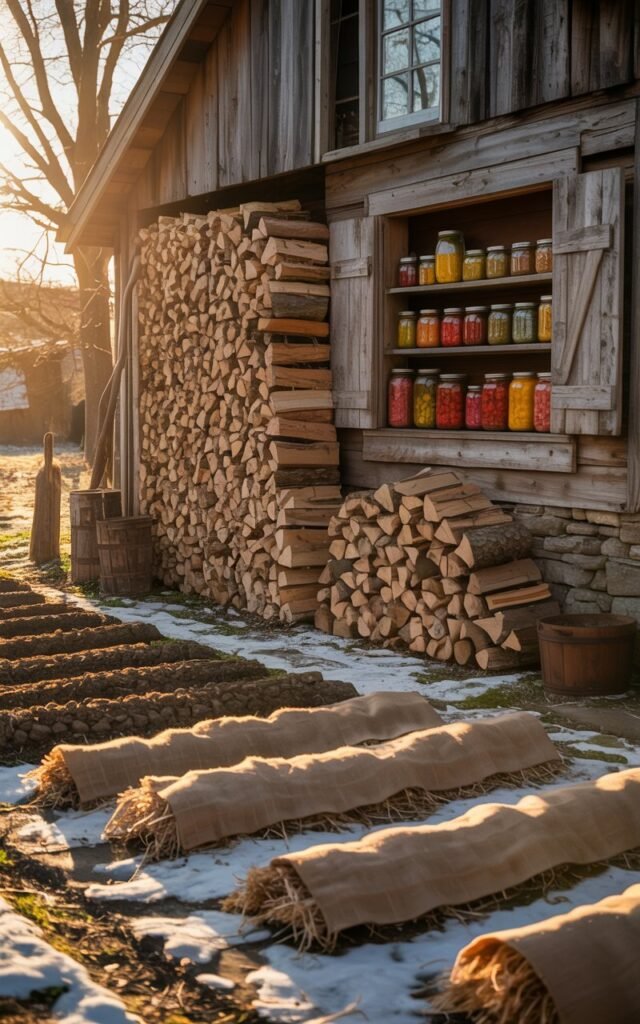
November is about winter prep. Stockpile feed, firewood, and plan indoor projects.
Even if you’re in town, there’s plenty you can do: start seedlings indoors, organize tools, and get creative with indoor gardening.
Month 12: Reflect & Plan Ahead

December is reflection time. Look back at your year, celebrate wins, and plan for the next year of homesteading.
My family and I always discuss what worked, what didn’t, and what we’d like to add to our homestead next year.
Homesteading Tips From My Family
- Go slow: Bite-sized projects prevent burnout.
- Embrace failures: Every mistake teaches something valuable.
- Start small: Even a small backyard garden counts.
- Document progress: Photos and journals make it fun to track growth.
Final Thoughts on Homesteading
Homesteading isn’t about perfection—it’s about learning, growing, and building a life closer to the land.
My family’s journey has been full of ups and downs, but every step brings us closer to our dream homestead.
Even if you live in a city apartment, you can begin small and expand each year. Don’t give up! Homesteading is a year-round journey, and with consistency, patience, and curiosity, your homestead dreams can become a reality.