
Hey everyone! Today I want to share a few tips on how to move homes.
I’ve moved a surprisingly high number of times over the past eight years—about seven times, maybe even more—and through each move, I’ve learned strategies that can make the process much smoother.
Moving is always more work than we anticipate, and there’s often a moment when you’re sitting in the middle of boxes feeling completely overwhelmed.
If you’re new here, my name is Ailyn, and I share content about simple living, minimalism, and building an empowering mindset.
Moving, while stressful, can also be an opportunity to declutter, reorganize, and even get closer to minimalism.
In this post, I’ll share the strategies that have helped me survive multiple moves while keeping the process as organized and stress-free as possible.
Start Packing and Preparing Early
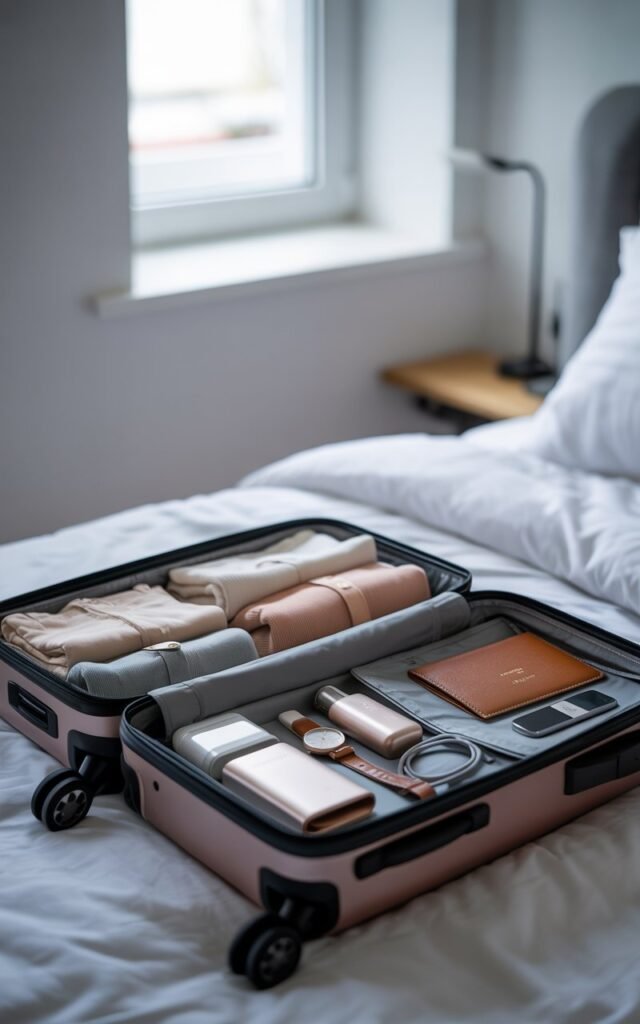
The most important tip I can offer is to start packing and preparing as early as possible.
Beginning early allows you to break down the packing process into small, manageable tasks.
Instead of feeling like you’re facing an insurmountable mountain of boxes, you can tackle a little each day.
Packing early also gives you the opportunity to be intentional about how you organize your belongings.
You can sort through everything carefully and decide what to keep, donate, or discard.
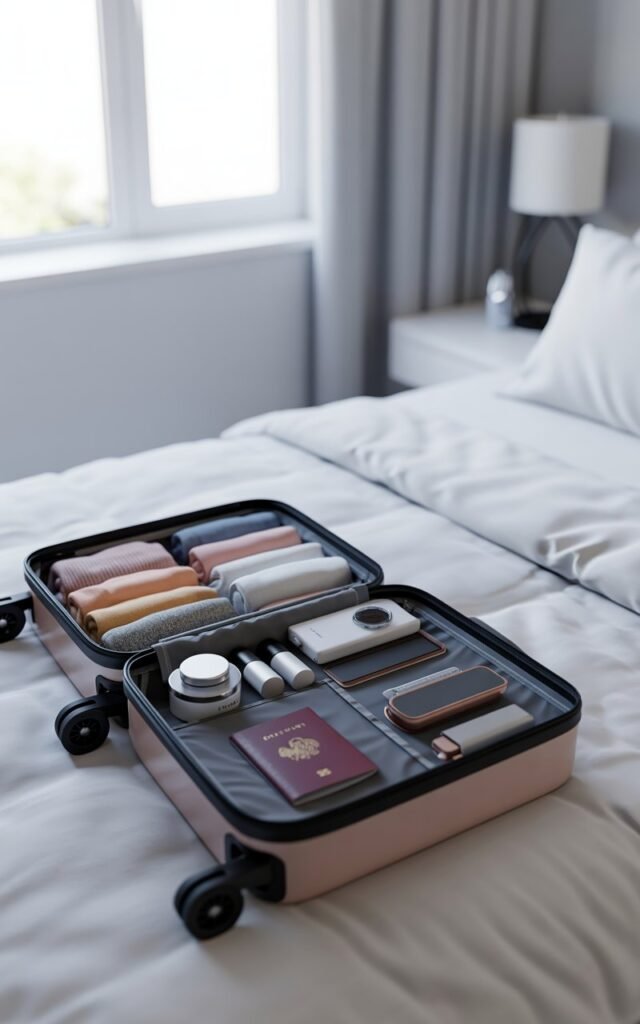
Moving forces you to see all of your possessions at once—a perfect chance to declutter and reduce excess items.
Starting early also reduces the stress and panic that often arises in the final days before a move.
You’ll avoid last-minute chaos and late nights where you’re throwing items into boxes without organization.
A clear plan and early start make the process far less overwhelming.
Set Your Move Date Early
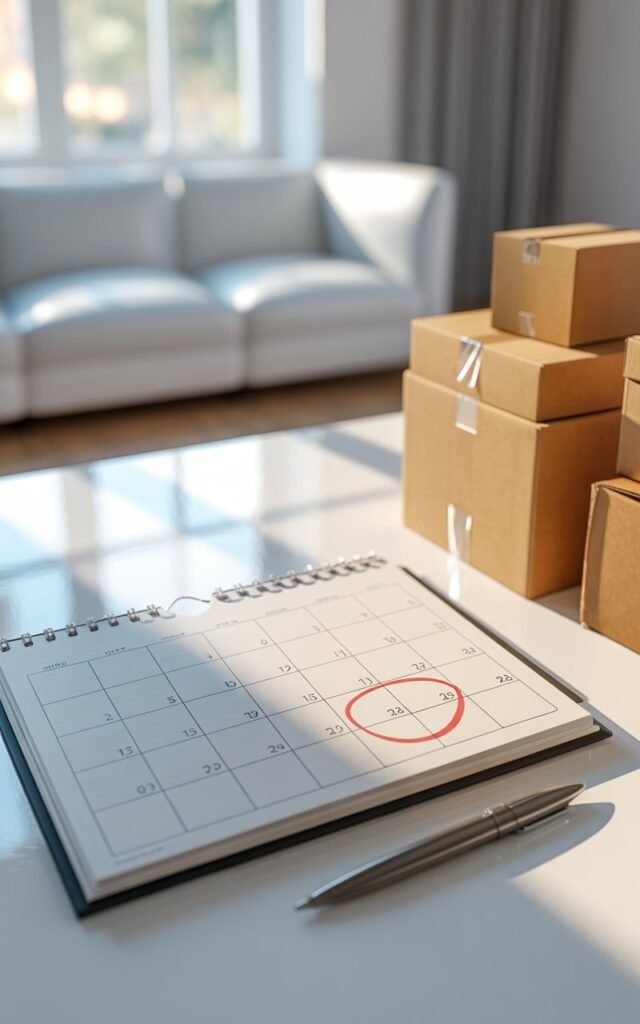
In addition to packing early, setting your move date well in advance is essential. A specific date gives you a target to prepare for and ensures you have enough time to gather all necessary packing supplies.
Planning ahead also increases the chances of finding sustainable packing options, such as borrowing boxes from friends or local stores, rather than relying on disposable materials.
Having a set move date keeps you on track, reduces anxiety, and allows you to manage your time and resources efficiently.
Pack by Category for Better Organization
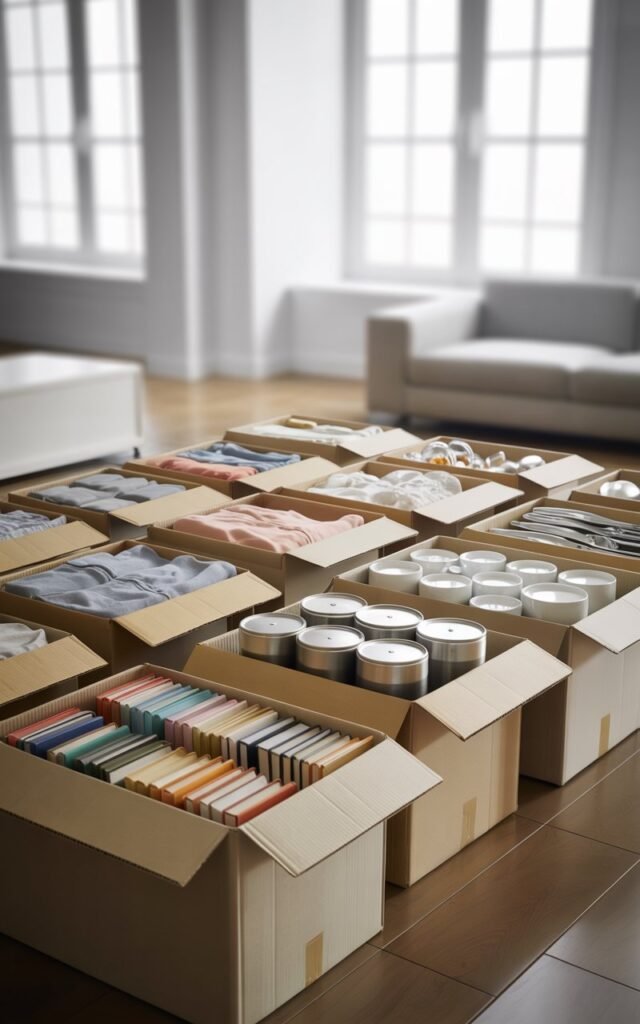
Inspired by Marie Kondo’s approach to decluttering, I recommend packing by category.
For example, gather everything from all bathrooms in your home before packing. This method allows you to see all the items in a category at once, which makes both packing and unpacking easier.
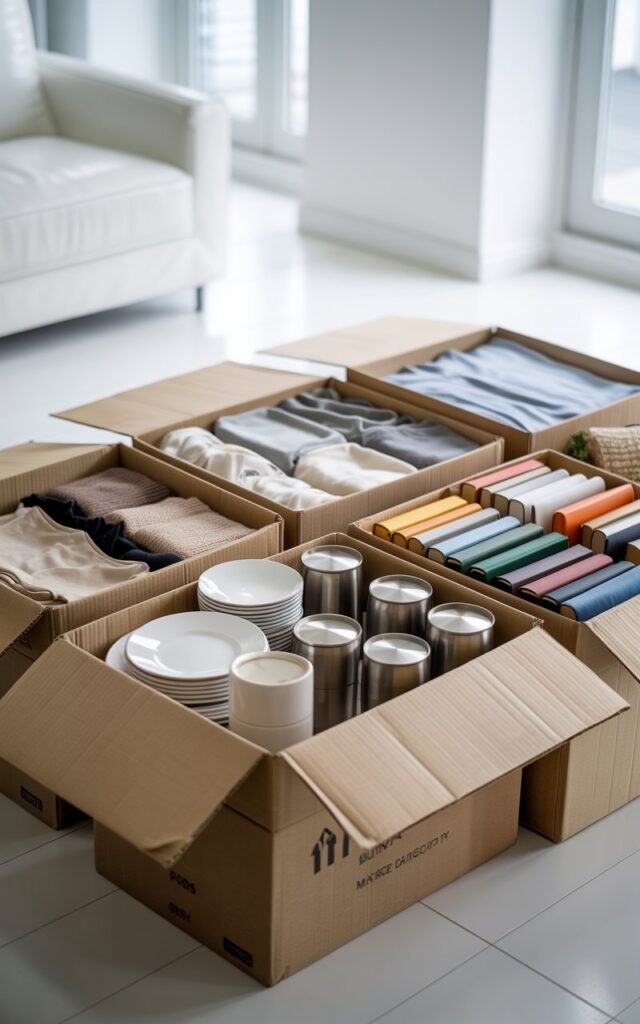
Packing by category also helps with decluttering. When you see multiple duplicates of the same item—like three bottles of shampoo—you can decide which items to keep and which to let go.
This strategy keeps your boxes organized and ensures you know where everything is when you arrive at your new home.
Don’t Move Alone: Hire Help or Enlist Friends
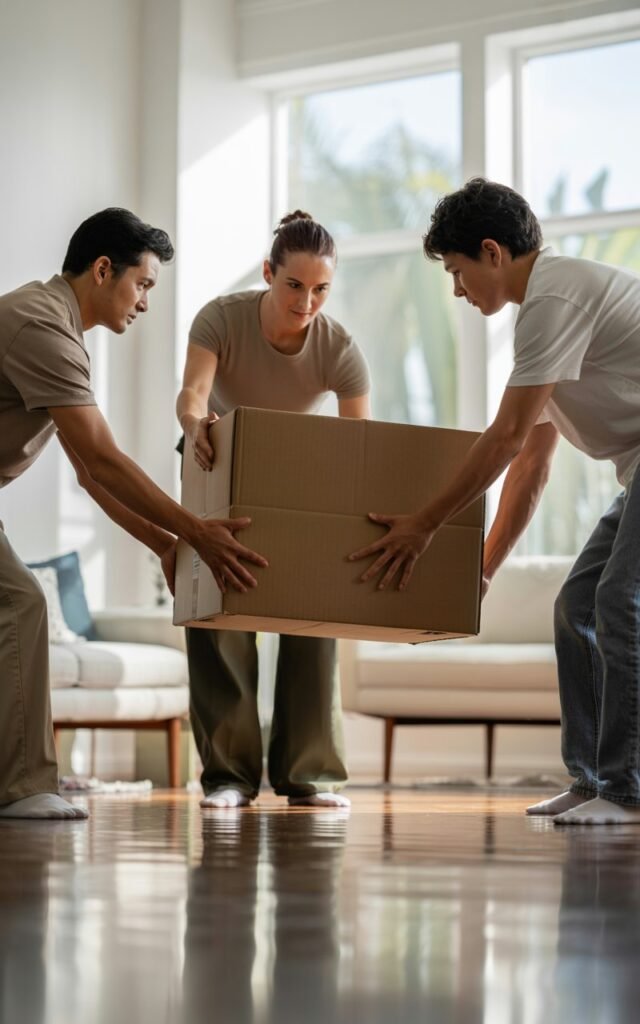
Moving is tough, and trying to do it alone only increases stress. If your budget allows, hiring professional movers can make a huge difference.
Skilled movers work efficiently and can significantly reduce the physical and mental burden of moving.
Even hiring movers for a few hours—just to load a truck—can make a big impact.
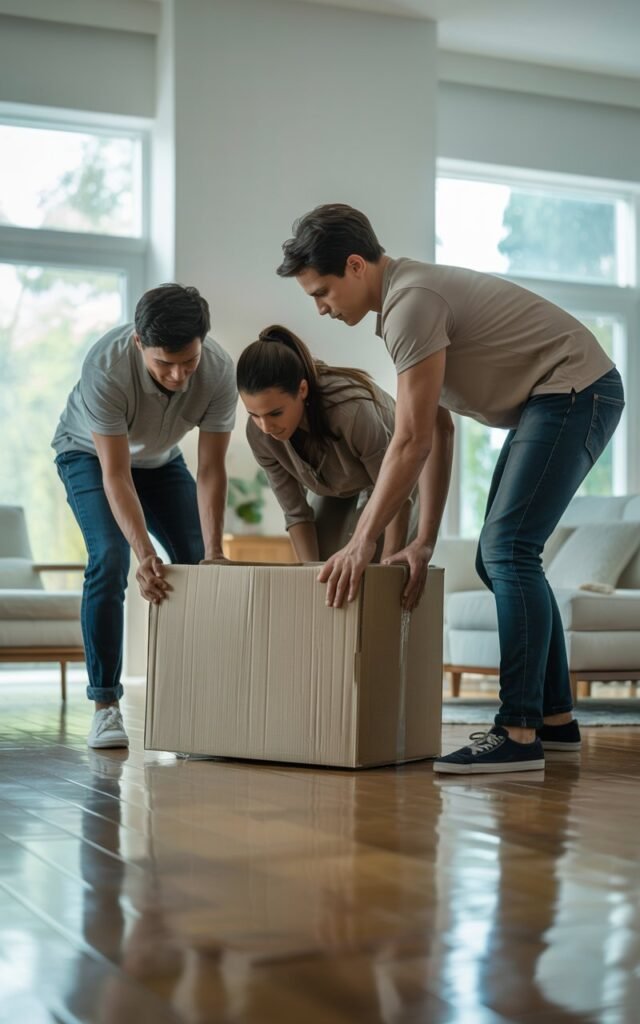
If professional movers aren’t an option, recruit friends. A large group can create an assembly-line system that makes moving much faster and less stressful.
I’ve experienced moves with as many as 20 friends helping, and the process was remarkably smooth.
The key is not to rely too heavily on one or two people; instead, build a strong support system for the day of the move.
Practice Self-Compassion and Unpack Slowly
Once you arrive at your new home, resist the urge to rush through unpacking. Take your time to organize and settle in.
Unpacking slowly gives you another opportunity to declutter items you may have missed while packing.
You’ll also have the chance to be intentional about where each item belongs in your new space.
A slow, mindful approach helps reduce stress and ensures that your new home is organized from the start.
Use the Move as an Opportunity to Form New Habits
Moving into a new space is a perfect time to reset habits and establish a more organized lifestyle.
For example, if you tend to leave your toothbrush on the bathroom counter, use your new home as a cue to store it in a cabinet instead.
New spaces naturally provide motivation to be tidier. As you move items around, take note of areas that tend to get cluttered and be intentional about creating designated spots for each belonging.
Early mindfulness in your new space makes it easier to maintain a light, organized, and low-stress home environment.
Final Thoughts
Moving is undoubtedly challenging, but it’s also an opportunity. By starting early, packing intentionally, enlisting help, unpacking slowly, and using your new space to reset habits, you can make the process much more manageable.
Even if you’re not planning a move right now, these strategies are helpful for general decluttering and embracing a more minimalist lifestyle.
Take advantage of the moving process to simplify, reorganize, and create a home that truly feels comfortable and intentional.
I hope these tips help make your next move—or any organizational project—smoother and less stressful.