
Transitioning into off-grid living is not something most people stumble into overnight. It requires planning, systems, and a willingness to rethink what “convenience” means.
When I first began exploring off-grid life, I realized quickly that it was less about escaping modern systems and more about building reliable ones of my own.
What you take for granted in a typical home—hot water, stable electricity, heating, refrigeration—must be intentionally created off the grid.
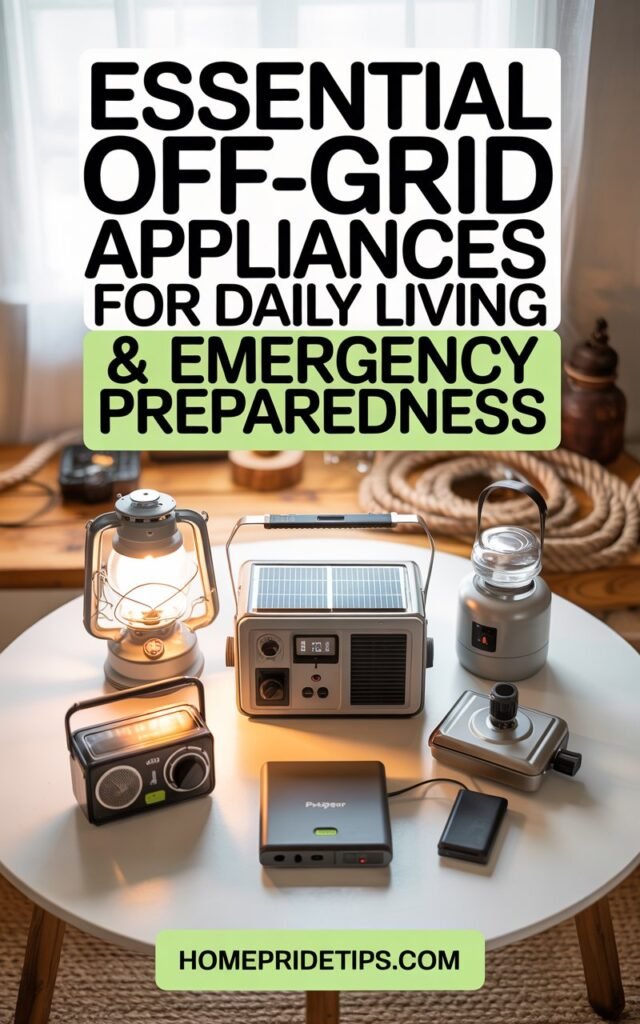
Whether you are preparing for emergencies, developing a long-term homestead, or simply experimenting with a simpler lifestyle, the appliances below form the backbone of a safe, comfortable, and sustainable off-grid home.
I’ve arranged them in a logical order starting with the most essential systems and moving into the appliances that make daily living smoother and more efficient.
13 Essential Off-Grid Appliances for Daily Living and Resilience
1. Solar Panels: The Core of Off-Grid Power
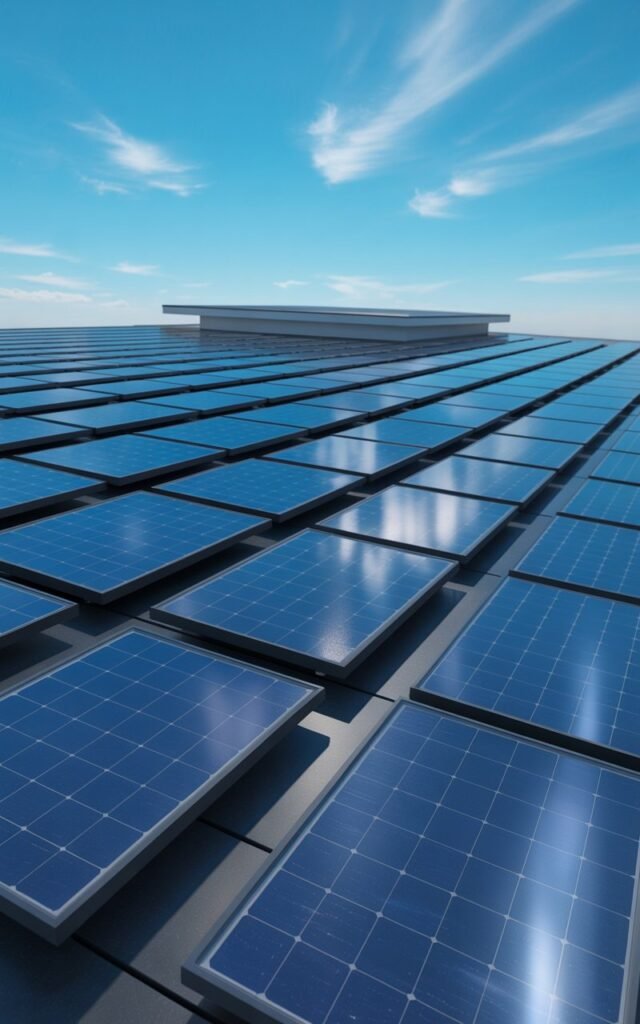
Solar panels often serve as the primary power source for off-grid households. Sunlight is free, consistent in most locations, and requires no fuel storage.
A good solar setup becomes the heartbeat of your home, powering lights, small appliances, charging stations, and even refrigerators depending on your wattage.
A functional system typically includes:
- Solar panels
- Deep-cycle batteries
- Charge controller
- Inverter
- Mounting equipment
- Wiring and fuses
What surprised me most when I started learning about solar power was how customizable it can be. You can begin with a small system and expand as your power needs grow.
Plug-and-play systems have also become increasingly common, making solar power accessible even for beginners.
2. Off-Grid Generator: Your Backup Lifeline
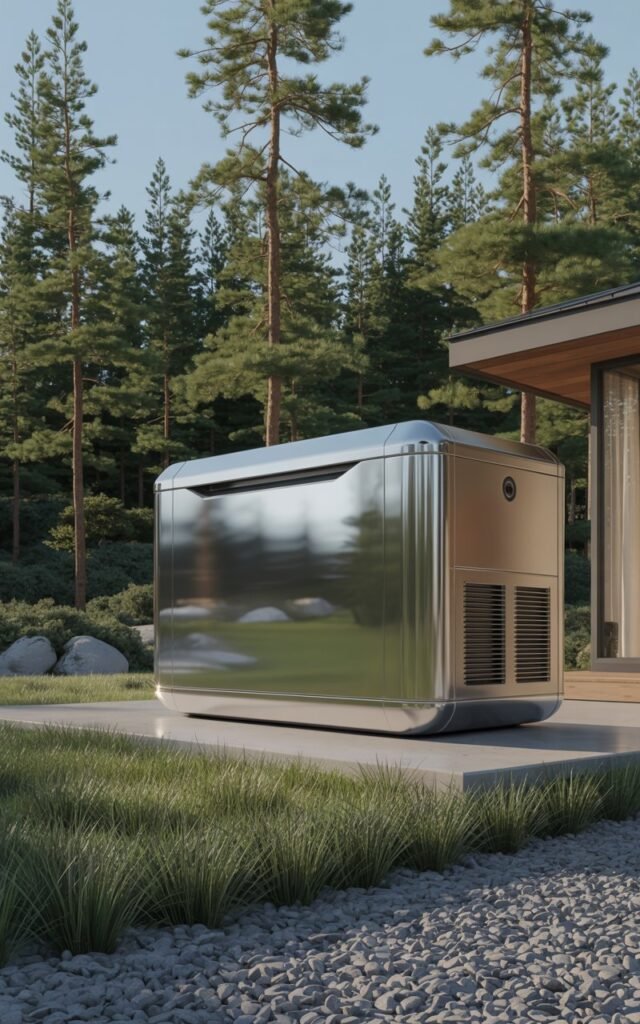
Even the best solar system cannot guarantee year-round consistency. Storms, cloudy seasons, winter darkness, and higher-than-normal energy use can all drain your batteries. That is where a generator becomes essential.
Many off-grid households rely on:
- Propane generators
- Diesel generators
- Gasoline generators
- Solar generators as silent backups
Generators cover high-demand tasks like powering tools, recharging batteries on low-sun days, and ensuring your home remains warm and safe during unexpected weather events.
I think of a generator as the insurance policy of off-grid life—rarely used on a good day but absolutely priceless on a bad one.
3. Water Heater: Maintaining Essential Daily Comfort
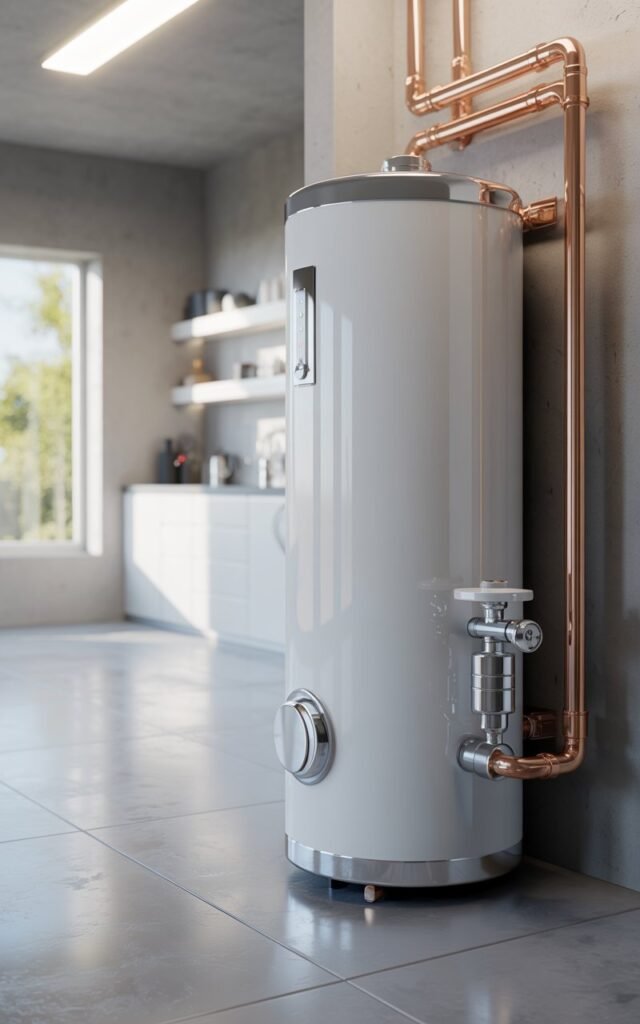
Hot water becomes even more valuable when living off the grid because you begin to appreciate every gallon you heat yourself.
A good water heater transforms simple chores like dishwashing, bathing, and laundry into manageable tasks.
Popular off-grid options include:
- Propane tankless heaters
- Solar water heaters
- Wood-burning water heaters
- Low-watt electric heaters paired with solar
Tankless propane models are among the most reliable for year-round comfort. Solar heaters are ideal if you live in a hot, sunny climate. Wood-fired heaters—while slower—offer total independence from electricity or fuel.
4. Water Filtration System: Safe Drinking Water on Demand
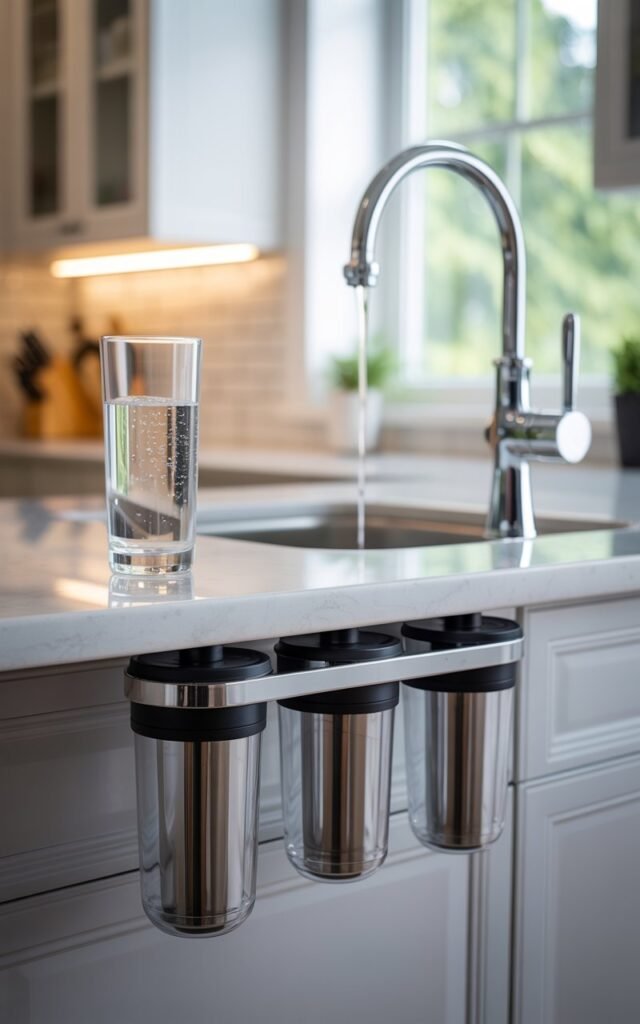
Before you think about heating water, you have to ensure that it is safe to drink. Water filtration becomes a daily necessity in off-grid settings, especially if your water source is a river, well, rainwater system, or spring.
A dependable system might include:
- Sediment filters
- Carbon filters
- Ceramic filters
- UV sterilization
- Gravity-fed purification systems
Clean water supports everything—cooking, drinking, cleaning, bathing, and gardening.
This is one appliance that should never be overlooked or underfunded.
5. Rainwater Harvesting System: Supplementing Your Water Supply
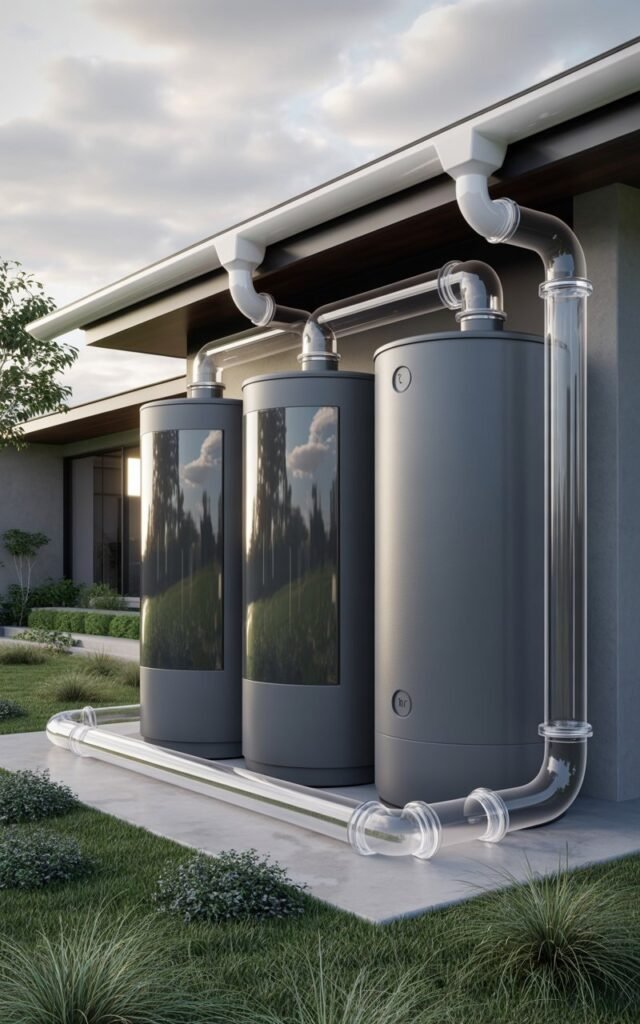
Some off-grid households rely entirely on wells, but many add a rainwater harvesting system as a backup.
Even if you’re not using rainwater as your main source, having the ability to collect and store water adds resilience.
A simple setup includes:
- Roof gutter system
- Diverters
- Mesh screens
- Food-safe storage tanks
- First-flush systems
- Optional pump for pressure
Rainwater is especially useful for gardening, washing tools, watering livestock, and emergency use.
6. Wood Stove: Heating and Cooking in One Appliance
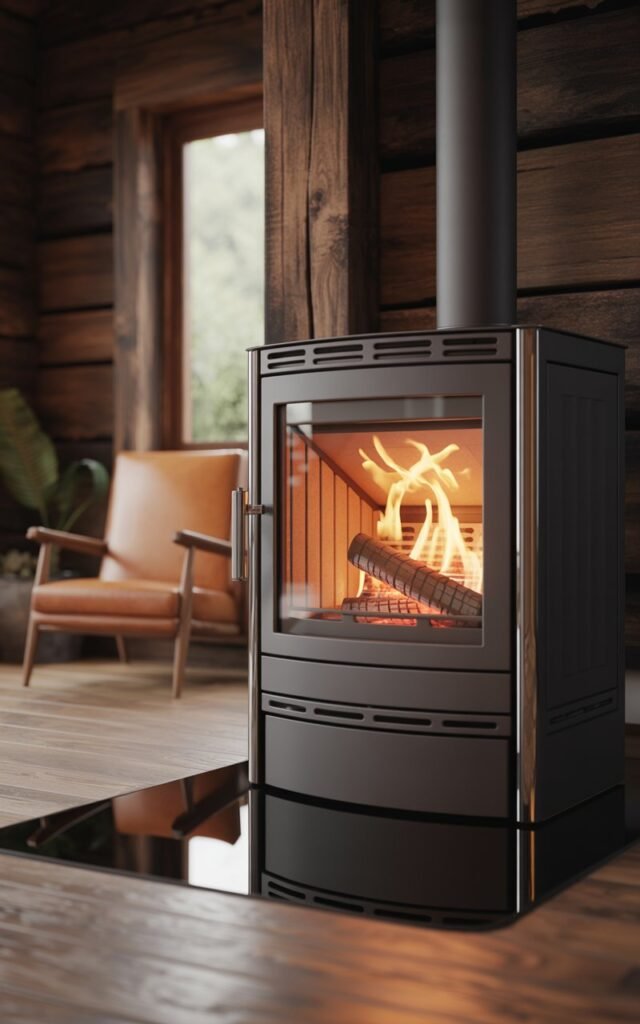
A wood stove is one of the most versatile appliances you can add to your off-grid home.
It supplies heat, acts as a cooktop, dries wet clothes, heats water, and creates a steady warmth that modern heaters cannot replicate.
Common wood stove styles include:
- Potbelly stoves
- Airtight stoves
- Cookstoves with built-in ovens
- Simple barrel or drum stoves
A flat-topped stove doubles as a cooking station without requiring extra electricity or propane.
When I began studying off-grid living more seriously, I quickly realized that nearly every long-term homestead relied on a wood stove in some capacity.
It’s dependable, long-lasting, and requires no technology.
7. Propane Heater: A Practical Heating Alternative

If you live in a smaller space or prefer something easier to manage than a wood stove, a propane heater offers a reliable secondary heating option.
These heaters are highly efficient and perfect for rooms that need supplemental warmth.
They are especially valuable for:
- Small cabins
- Tiny homes
- Backup winter heat
- Spaces where wood smoke is not ideal
Propane heaters also require little to no installation and can be moved from room to room depending on your needs.
8. Off-Grid Refrigeration: Keeping Food Fresh
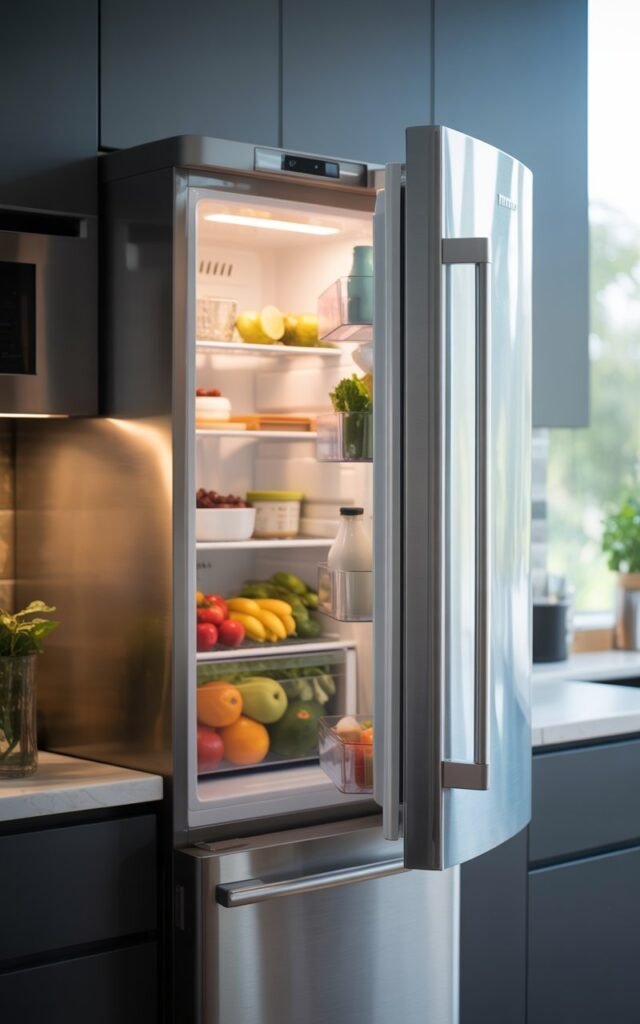
Refrigeration is often one of the biggest challenges of off-grid life. Propane refrigerators, solar-powered 12V refrigerators, and ultra-efficient DC freezers make it possible to store perishables safely without draining your energy system.
Modern off-grid refrigerators use significantly less power than standard models and have become far more affordable in recent years.
This one appliance reduces food waste, allows you to prepare meals in advance, and helps maintain a more stable food supply.
9. Portable Power Stations: Flexible and Convenient
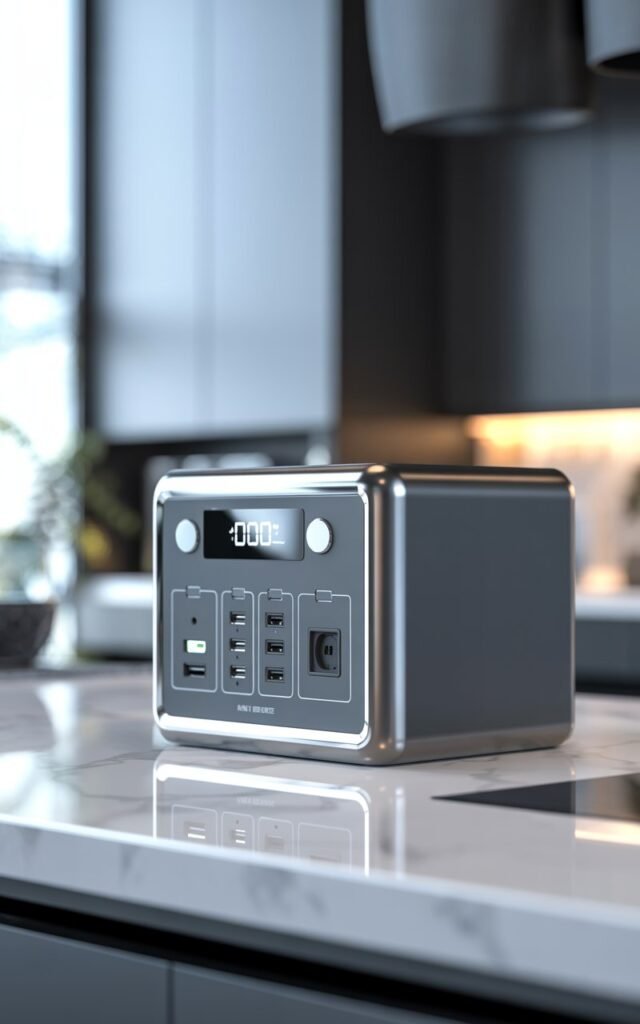
Portable power stations are extremely useful for daily tasks and emergency situations. They charge via solar or AC power and can run essential small appliances like lights, fans, laptops, and small kitchen tools.
They are especially helpful for:
- Outdoor work
- Charging electronics
- Powering tools
- Providing emergency lighting
I consider portable stations an extension of your core power system. They also help reduce the workload on your main solar batteries.
10. Manual and Non-Electric Tools: Independence from the Grid
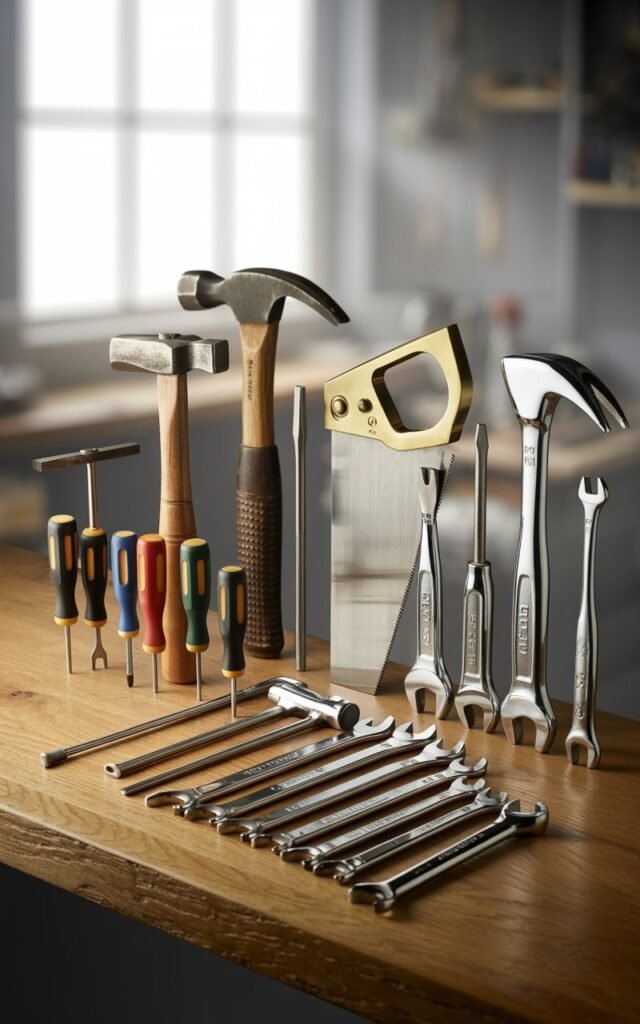
Off-grid living becomes easier when you’re not completely dependent on electricity.
Reliable manual appliances help you prepare food, process grains, wash laundry, and complete daily tasks even when energy is limited.
Examples include:
- Hand-crank grain mills
- Manual blenders
- Hand pumps for water
- Manual washers and wringers
These tools not only extend the life of your electrical system but also give you essential backups during outages.
11. Off-Grid Cooking Alternatives: Preparing Meals with Less Energy

Even if you have a full kitchen setup, it’s important to have secondary and backup cooking methods.
Off-grid life requires adaptability, and alternative cooking appliances give you options when fuel is low, weather changes, or energy must be conserved.
Useful alternatives include:
- Rocket stoves
- Propane camp stoves
- Solar ovens
- Outdoor grills
- Cast-iron cookware
Each tool offers a way to prepare meals without draining your power system.
12. Slow Cooker: Low-Energy Meal Preparation
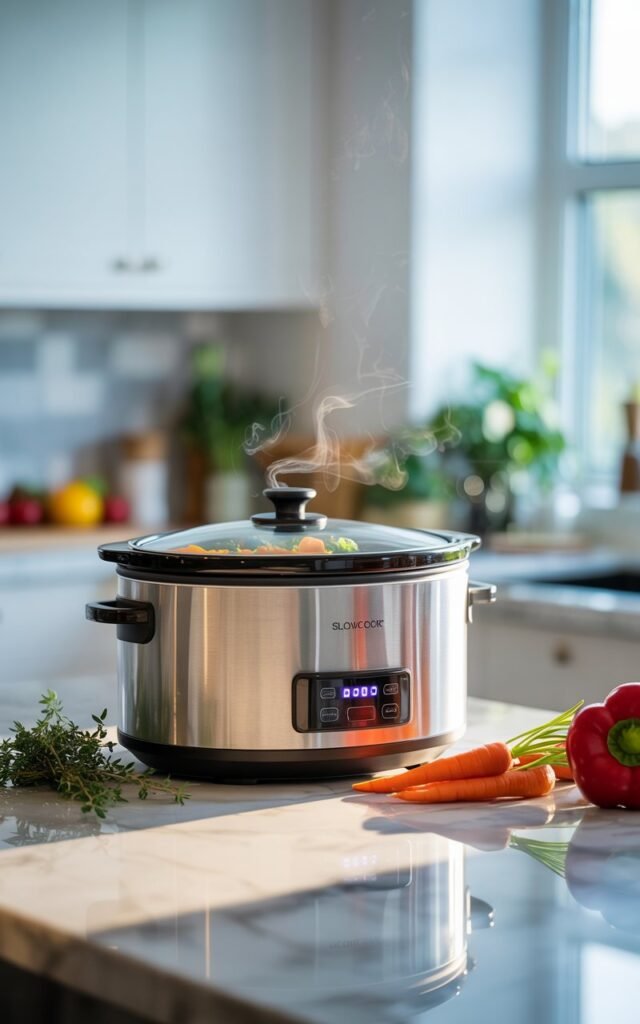
A slow cooker might seem like a luxury, but it is one of the most energy-efficient ways to prepare food using solar-generated electricity.
It allows you to cook stews, beans, grains, and meats without relying on larger appliances.
Slow cookers are especially valuable because:
- They use very little power
- You can cook during peak sunlight hours
- Meals can be prepared in bulk
- They replace ovens and stovetops
This appliance quickly becomes a staple in solar-powered kitchens.
13. Emergency Heating and Lighting: Non-Negotiable Essentials

Every off-grid home should have multiple layers of backup lighting and heating. Even with the best systems, emergencies happen, weather changes fast, and batteries can run low.
Reliable options include:
- Solar lanterns
- LED rechargeable lights
- Kerosene lamps
- Emergency hand warmers
- Thermal blankets
These tools ensure your home remains safe and functional even in worst-case scenarios.
Final Thoughts
Off-grid living is a balance between independence and preparation. The appliances above form the foundation of a resilient, comfortable, and truly self-sufficient lifestyle.
Whether you’re building a remote cabin, preparing for emergencies, or transitioning fully off-grid, having the right systems in place creates stability and peace of mind.