
Gym memberships have continued to rise in 2026, and for many people, the cost of a commercial gym can feel overwhelming.
Between monthly fees, additional classes, and travel time, traditional gyms are not only expensive but sometimes inconvenient.
Fortunately, creating a home gym is now more accessible than ever, offering convenience, flexibility, and the ability to tailor your workouts exactly to your goals.
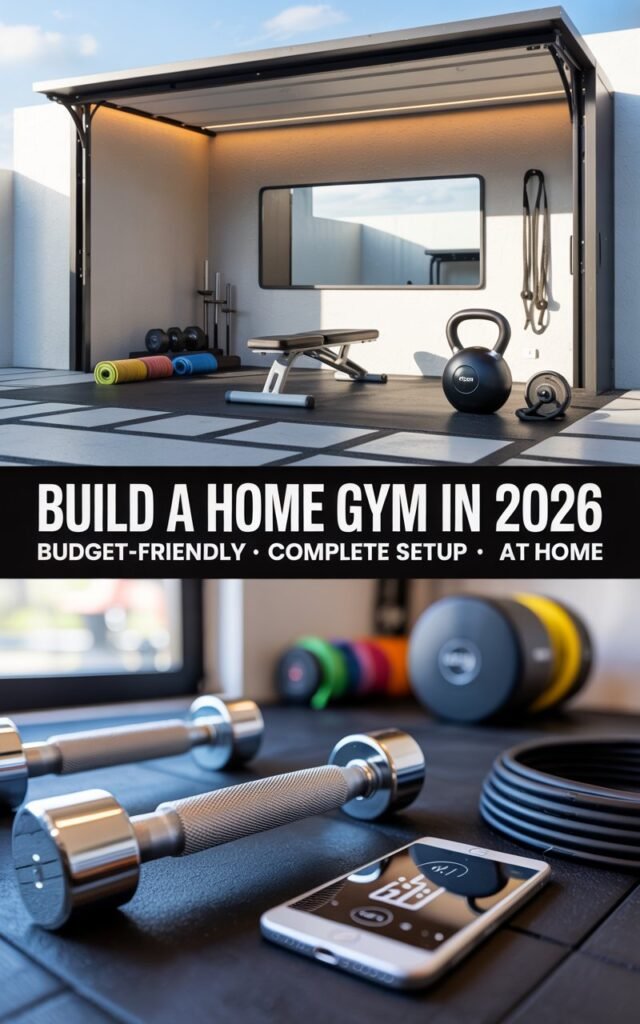
Building a home gym doesn’t have to cost a fortune. With smart planning, DIY solutions, and budget-friendly equipment, you can create a space that rivals professional gyms, all while saving thousands of dollars.
In this guide, we’ll walk you through the essential steps to build a complete home gym in 2026, including equipment recommendations, shopping tips, and clever strategies to maximize your space and budget.
Why a Home Gym is a Smart Investment in 2026
There are several compelling reasons to consider building a home gym this year:
- Cost savings: No more monthly membership fees or travel expenses.
- Convenience: Work out whenever it fits your schedule, no waiting for equipment.
- Customizable space: Design your gym exactly how you want it for your fitness goals.
- Flexibility: Mix strength training, cardio, and mobility exercises without compromise.
Whether you are focused on weight loss, building muscle, or general fitness, having a well-planned home gym can save time and keep you motivated throughout the year.
Step 1: Choose Durable, Affordable Flooring
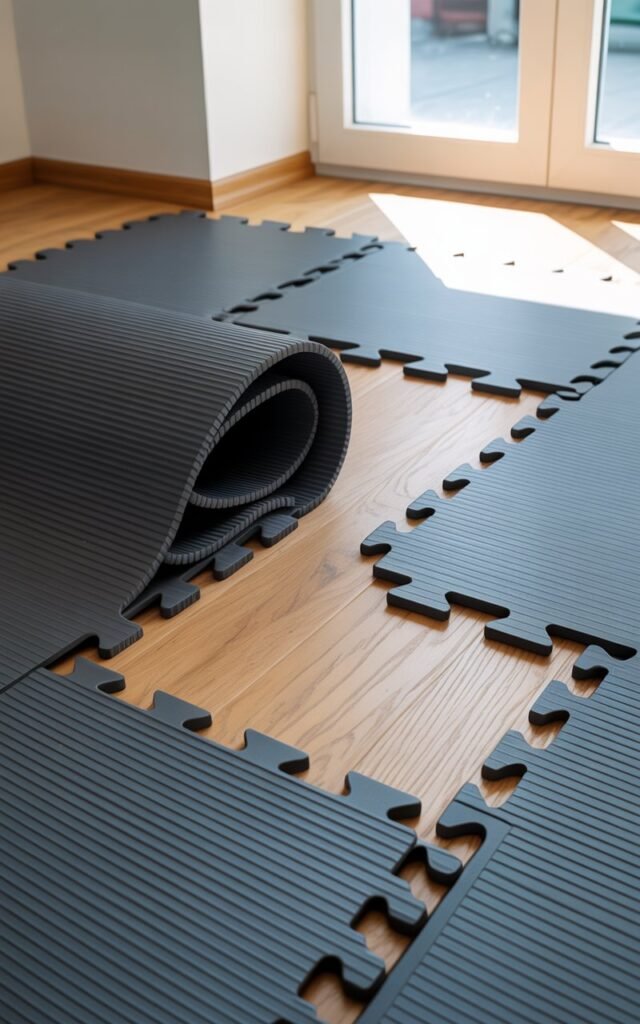
The first and arguably most important step is flooring. The right flooring provides safety, durability, and comfort during your workouts.
While there are many options available, stall mats from Tractor Supply have proven to be both cost-effective and high quality.
- Size: 4 x 6 feet per mat
- Thickness: ¾ inch
- Weight: 50–70 pounds per mat
- Price: Around $59 per mat
These mats are extremely durable and ideal for protecting your floor from heavy weights, kettlebells, and other gym equipment.
If you want a professional, cohesive look, consider purchasing extra mats and cutting them to fit your space from wall to wall.
However, if you’re just starting out, two or three mats are enough for a functional workout area.
Step 2: Invest in a Versatile Power Rack
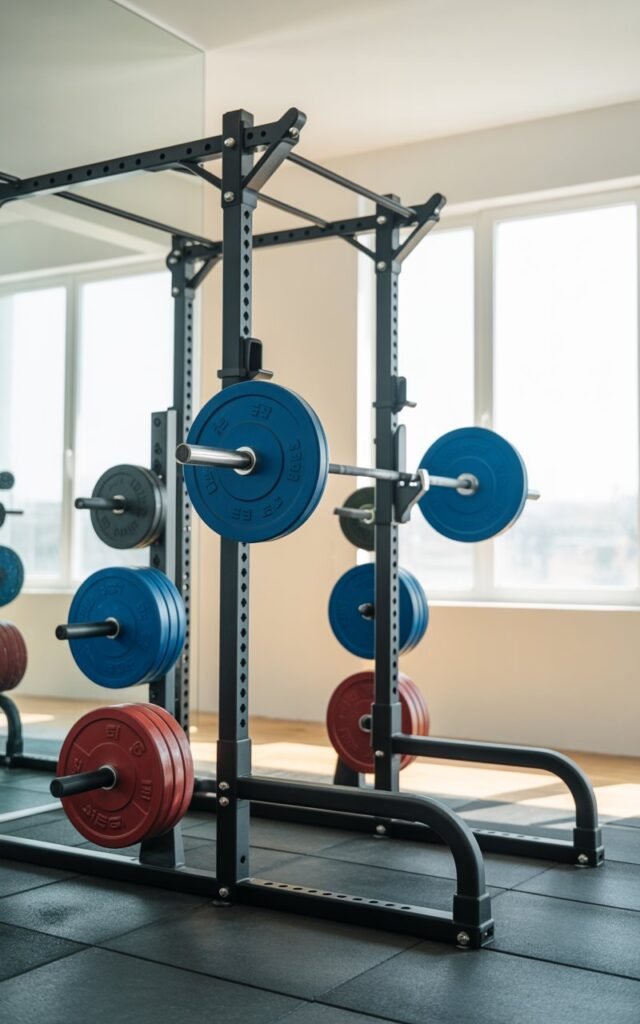
A power rack is the cornerstone of most home gyms.
For 2026, the Titan T3 Space Saving Rack is a highly recommended option, priced under $250 with free shipping.
This rack is incredibly versatile:
- Perform pull-ups, squats, and bench presses
- Compatible with attachments such as landmines and dip stations
- Durable and space-efficient
Unlike some other brands, Titan allows you to buy attachments as you need them, which avoids paying excessive shipping costs for multiple items.
This flexibility means you can gradually build your home gym without breaking the bank upfront.
Step 3: Save Money With DIY and Budget Equipment
Not all gym equipment needs to be bought new or expensive.
Smart DIY solutions and budget-friendly alternatives can significantly reduce costs:
- Plate holders: Simple frames made from 2x4s can securely hold your weight plates.
- Boxes and desks: Homemade plyo boxes or workstations save money while adding functionality.
- Dumbbell and barbell racks: Affordable options or DIY versions can work as well as premium brands.
DIY projects allow you to allocate more of your budget toward essential equipment like racks, barbells, or cardio machines.
Plus, building your own equipment can be a fun and rewarding part of the process.
Step 4: Buying Used Equipment
One of the most effective ways to maximize your budget is purchasing used equipment.
Platforms like Facebook Marketplace, Craigslist, and local listings often have high-quality equipment at a fraction of the price.
Tips for buying used:
- Inspect equipment carefully to ensure it functions properly
- Test moving parts and safety mechanisms
- Be prepared to clean or restore items if needed
For example, during the pandemic, rowers were selling for over $1,200.
A used rower could be purchased for $500, and with a few hours of minor restoration, it looked and functioned like new.
Buying used not only saves money but can also provide access to equipment that might otherwise be out of budget.
Step 5: Shop Smart Across Multiple Retailers
In 2026, home gym equipment is widely available from unexpected sources, not just traditional fitness stores. Many retailers sell high-quality, affordable gym gear:
- Amazon: Dip belts, parallettes, resistance bands
- Walmart: Clocks, stereos, small accessories
- Target / Five Below: Resistance bands, dumbbells, kettlebells
Always compare prices, look for free shipping, and check customer reviews. By shopping strategically across multiple platforms, you can get more equipment for less money without compromising on quality.
Step 6: Implement a Three-Tier Equipment System
To stay organized and make smart purchases, use a three-tier system when selecting gym equipment:
- Essential Equipment – Items you use every day, crucial for your fitness goals. Examples: power rack, bench, barbells, plates.
- Enhancing Items – Equipment that adds variety or improves your workouts, but is not essential. Examples: weighted pull-up belts, parallettes, specialty bars.
- Wishlist Items – Nice-to-have items that aren’t necessary to reach your fitness goals. Examples: rowers, bikes, cardio machines.
This system ensures your budget is spent on what truly matters while still allowing for gradual upgrades.
For example, cardio machines might be on your wishlist rather than essentials if you can run outside or use free alternatives.
Step 7: Tips for Stretching Your Budget
Here are some of the most valuable tips when building a home gym in 2026:
- Buy used whenever possible – Quality second-hand equipment can save you thousands.
- Compare brands and retailers – Don’t limit yourself to a single brand; explore Amazon, Walmart, Titan, Rogue, and others.
- DIY where feasible – Build racks, boxes, and storage to cut costs and customize your space.
- Prioritize essentials – Focus on equipment you will use daily to maximize impact.
- Upgrade gradually – Add enhancing and wishlist items over time instead of overspending upfront.
With these strategies, it’s possible to build a complete, functional home gym in 2026 without overspending while still achieving your fitness goals.