
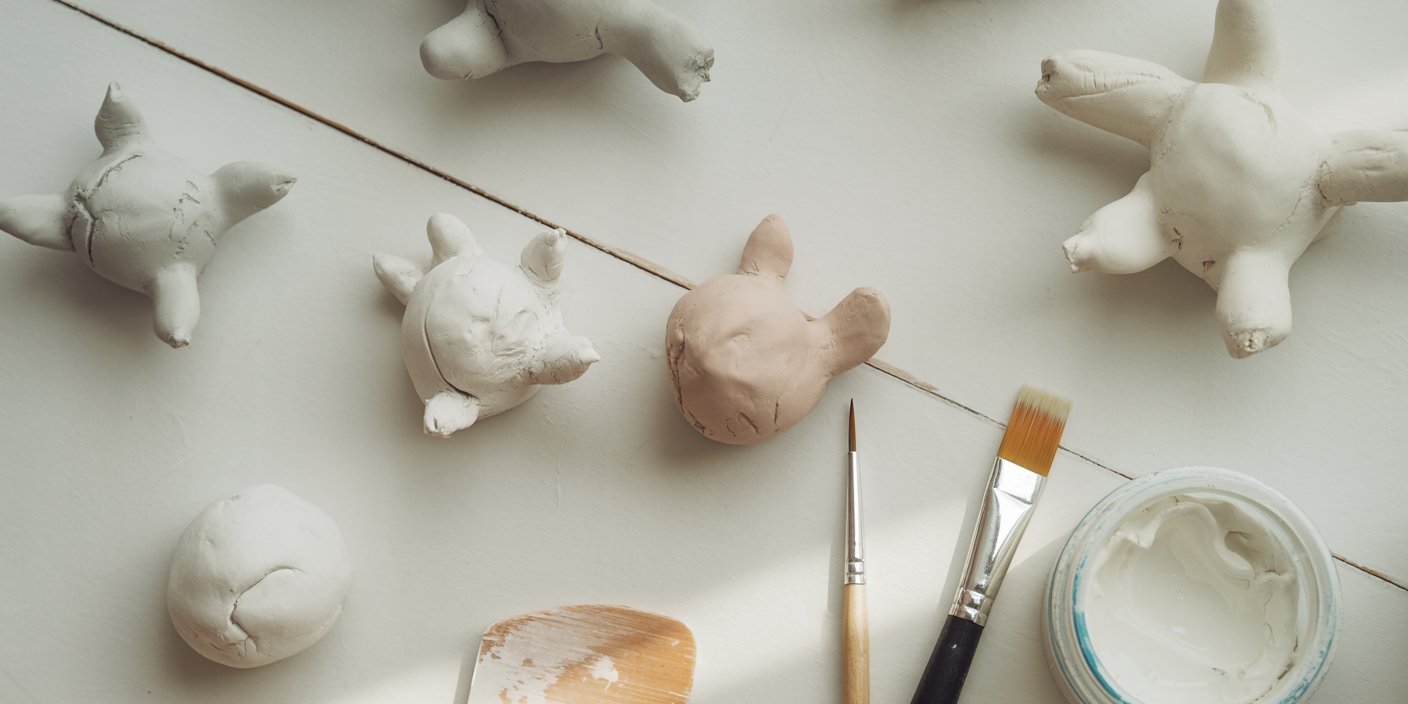
Air dry clay has been one of my creative passions for as long as I can remember.
I still remember the first time I opened a fresh block of white clay, feeling the soft texture under my fingertips, and imagining all the little figurines, ornaments, and home décor pieces I could make.
Over the years, I’ve learned a lot about what works and what doesn’t, especially when it comes to painting and finishing my creations.
One question I get asked all the time is whether gesso is necessary for air dry clay.
Some people swear by it, insisting that without gesso, your paint will never adhere properly or last. Others wonder why anyone would bother.
I fall somewhere in between—I don’t use gesso, and I’ll explain why, step by step, including some tests I’ve done and tips for getting perfectly painted, durable clay every time.
What Is Gesso and How Does It Work?
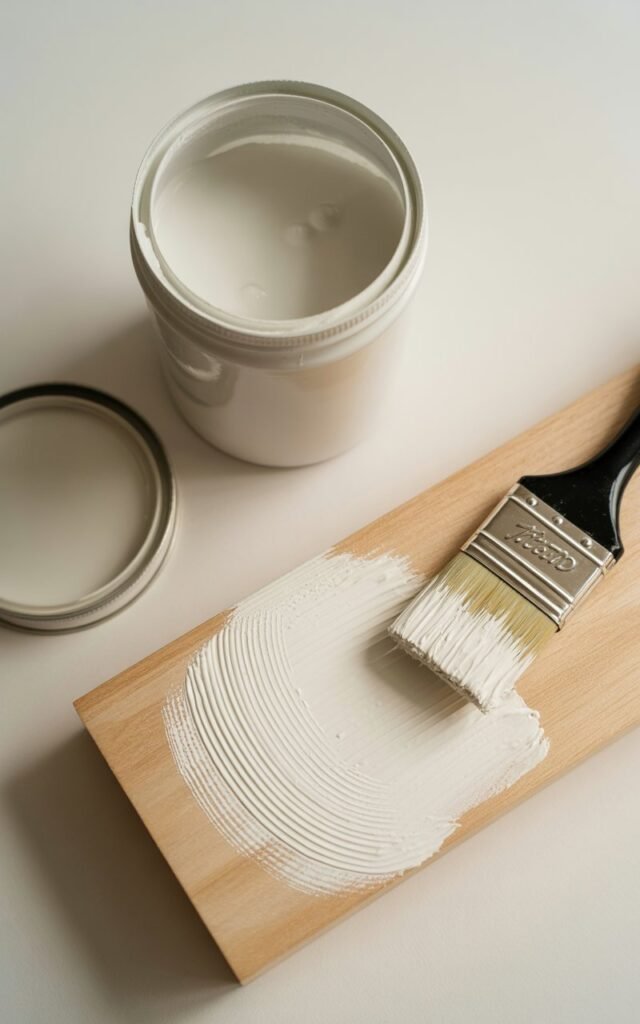
Before we dive into my methods, let’s quickly define gesso.
Gesso is essentially a primer, a base coat that artists typically use on canvas. Its purpose is twofold:
- Texture: It gives the canvas or board a slight “tooth” so that paint adheres better.
- Coverage: It acts as a neutral base, often white, to prevent the underlying surface from affecting your paint color.
Gesso isn’t just for canvases, though. You can technically apply it to wood, paper, and yes—air dry clay.
It comes in white, black, and clear varieties.
But here’s the thing: while gesso can help paint stick, it’s not the only option, and for beginners or even experienced clay artists like myself, it isn’t always necessary.
Why I Don’t Use Gesso
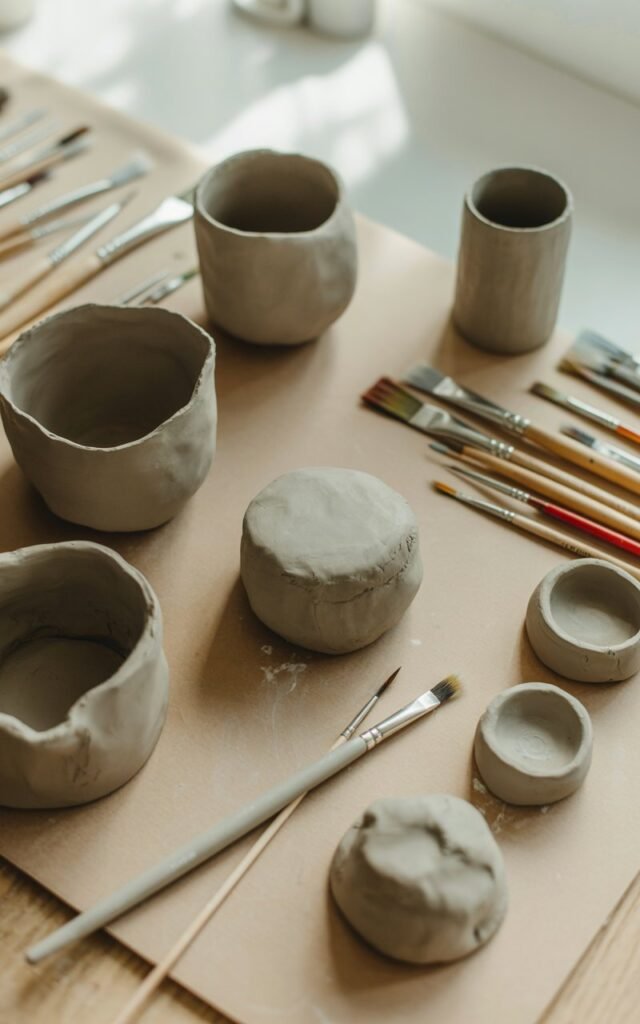
I’ll be honest: I’ve tried gesso on clay. In my early experiments, I thought it might make my painted clay projects look more professional.
But over time, I realized it didn’t offer much benefit compared to a simple coat of acrylic paint. Here’s why:
- Simplicity: For beginners, less is more. Introducing gesso adds an extra step and an extra product to buy. I want people to feel like they can start making beautiful clay pieces without a long list of materials.
- Effectiveness: White acrylic paint works just as well as gesso for priming air dry clay. You get the same smooth coverage and excellent adhesion for any color you want to apply on top.
- Control: Gesso can sometimes go on too thickly, which increases drying time and can even peel off if applied incorrectly. Acrylic paint gives me more control over the thickness and finish of my surface.
So, in short, I don’t use gesso because it’s unnecessary for my workflow.
But if you love it and it works for you, that’s completely valid. Creativity has no strict rules!
My Step-by-Step Air Dry Clay Painting Method
Now let me walk you through my process, which I’ve honed over years of experimenting and teaching beginners:
1. Dry the Clay Completely
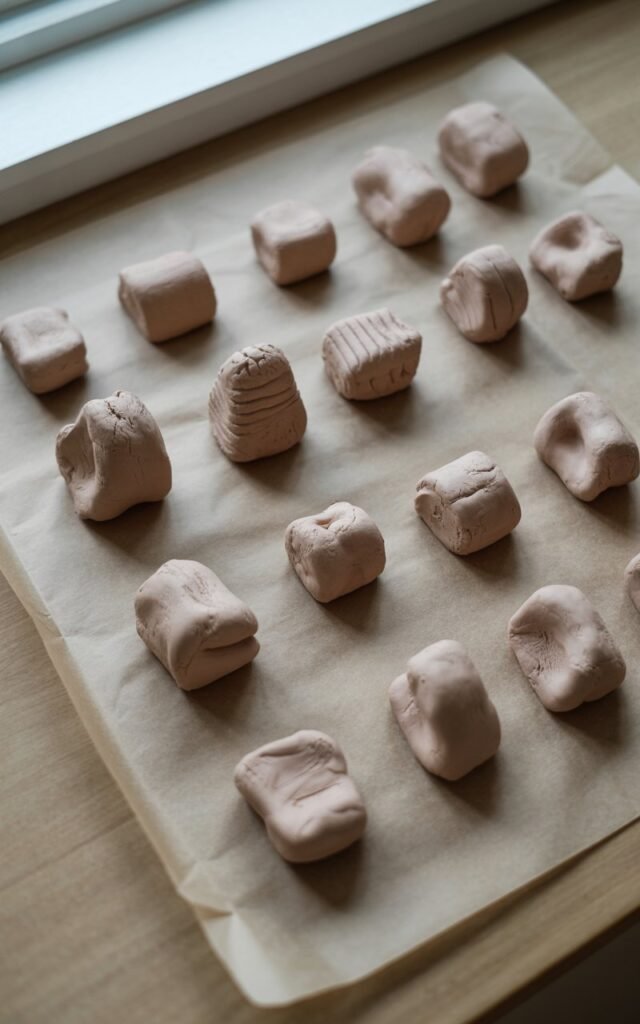
The first and most important step is to let your air dry clay fully dry before applying any paint. This ensures:
- Paint will adhere properly
- There is no risk of cracking
- The surface is smooth and ready
I usually leave pieces to dry overnight or follow the manufacturer’s recommended drying time, depending on the thickness of the piece.
2. Paint Directly with Acrylics
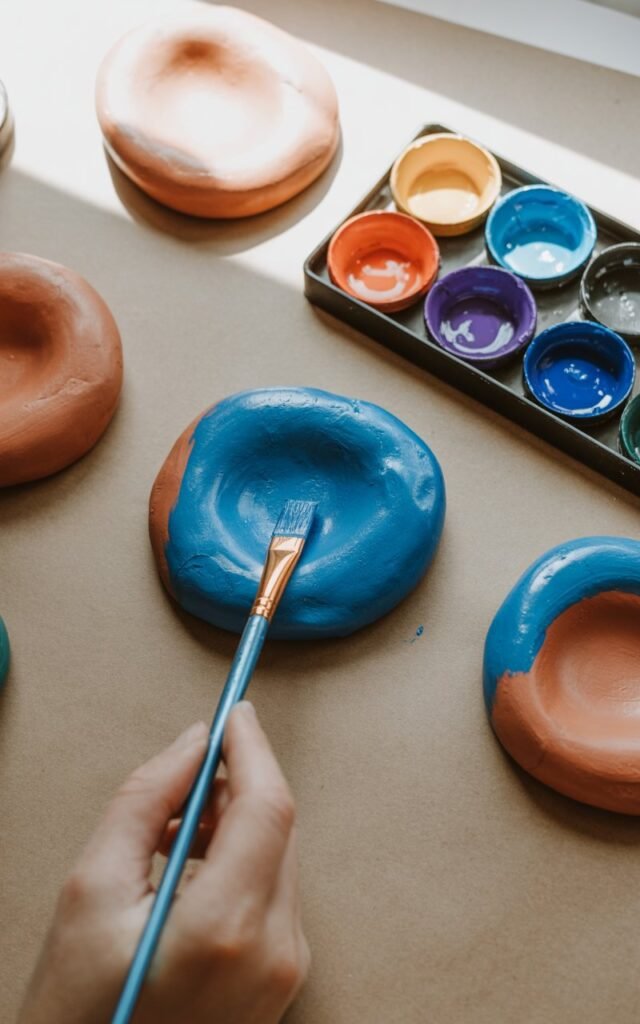
Once the clay is dry, I use acrylic paint. Here’s why:
- Beginner-Friendly: Acrylics are widely available, non-toxic, and easy to work with.
- Versatile: They can be applied in thin or thick layers, and multiple colors work beautifully together.
- Durable: Once sealed, acrylic paint lasts a long time and withstands handling.
For example, I might make a small clay ornament and paint it straight with a bold turquoise or pastel pink.
I often skip any white undercoat entirely if the final color is opaque.
The clay itself provides a neutral base, so the colors pop perfectly.
3. Seal with Varnish
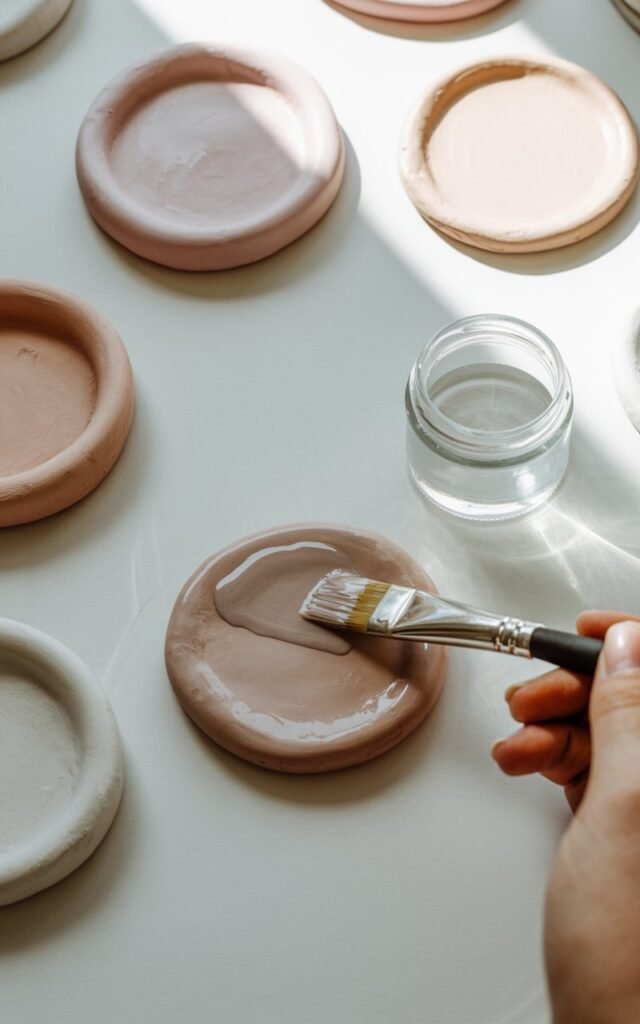
Sealing your clay is the step I cannot stress enough. After painting:
- Apply 1–2 coats of a quality varnish or sealant.
- Let it dry for at least 24 hours before touching or displaying.
Sealing protects your paint from scratches, moisture, and fading. In my experience, skipping varnish is the biggest mistake beginner clay crafters make.
Even if you skip gesso, the varnish makes all the difference.
My Gesso vs. Acrylic Paint Test
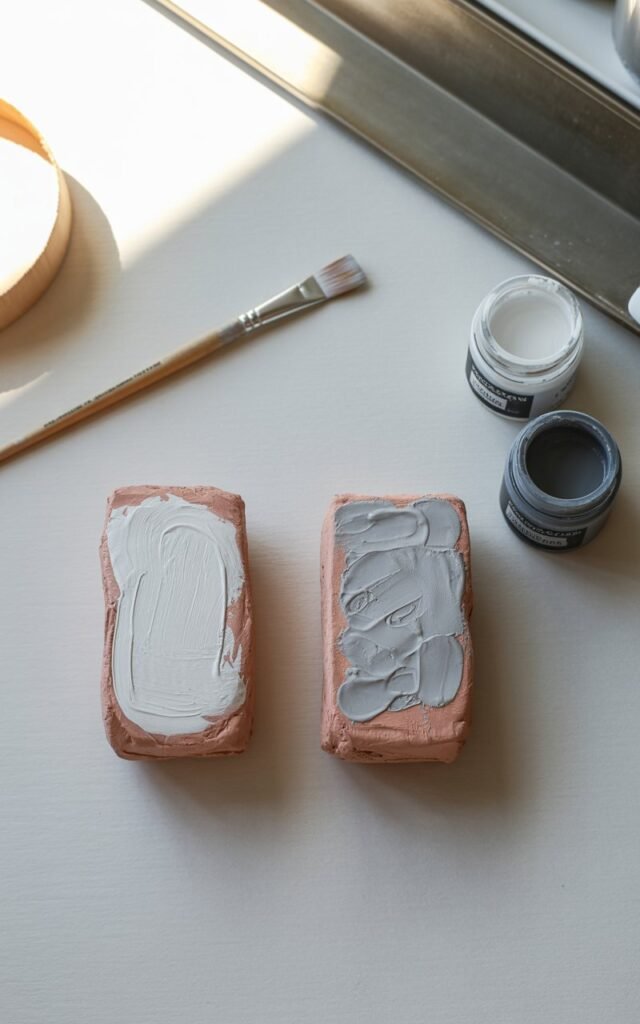
To prove that gesso isn’t necessary, I ran a small experiment with a clay test piece:
- On one half of the clay, I applied gesso.
- On the other half, I applied white acrylic paint.
- After drying, I painted both halves with two coats of green acrylic paint.
After it dried, I did a scratch test using the rounded end of a paintbrush and my fingernail.
Guess what? Both sides were equally durable. Gesso didn’t offer any advantage.
In fact, on another test, gesso applied too thickly ended up peeling slightly, whereas the acrylic paint held perfectly. It was a perfect example of why sometimes, “less is more.”
Extra Tips for Painting Air Dry Clay
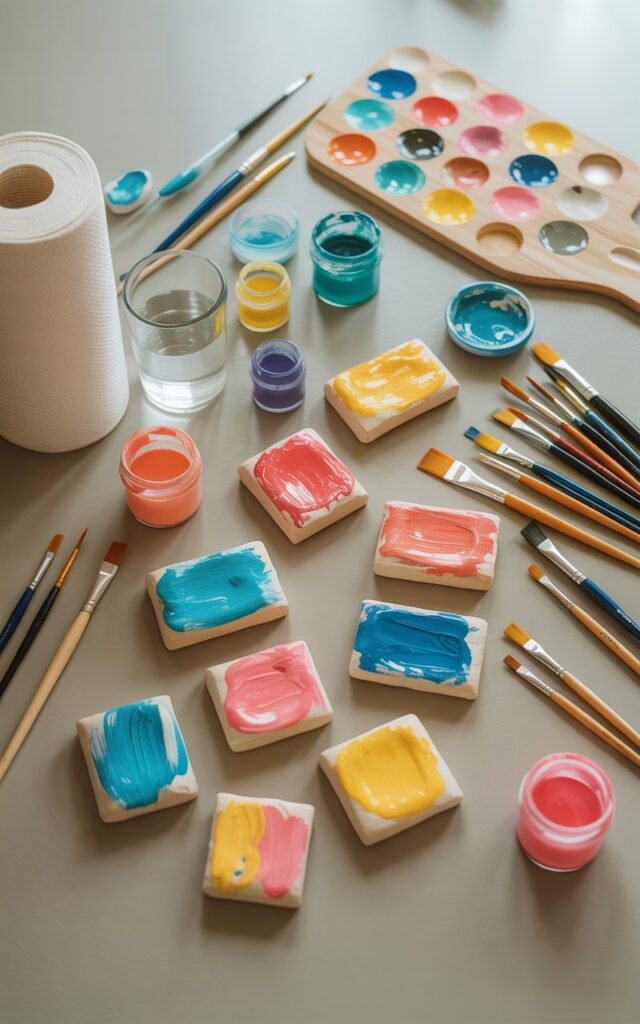
Here are a few additional tips I’ve learned over the years that can save time and improve results:
- Thin Layers: Always apply paint in thin layers and let each coat dry fully before adding another.
- Use Adjustable Brushes: Small detail brushes help with intricate pieces like figurines or mini sculptures.
- Experiment with Colors: Don’t feel limited to realistic colors—air dry clay is all about creativity!
- Test Sealing: Try sealing a small sample before committing to an entire project to make sure you like the finish.
Final Thoughts
Do you need gesso for air dry clay? Absolutely not—at least, not in my experience. What’s essential is:
- Let your clay dry fully.
- Use good-quality acrylic paints.
- Seal your finished pieces with varnish.
Gesso is optional, but a good varnish is a must. My goal has always been to make clay crafting approachable, fun, and rewarding, without overwhelming beginners with unnecessary materials.
Remember, every artist develops their own style. Some may love gesso, some may skip it entirely.
The important thing is to experiment, find what works for you, and enjoy the process of creating.
I’d love to hear from you! Do you use gesso on your air dry clay, or do you skip it?
Share your tips and experiences in the comments—I always enjoy reading them.
Until next time, happy crafting, and keep letting your creativity shine!