
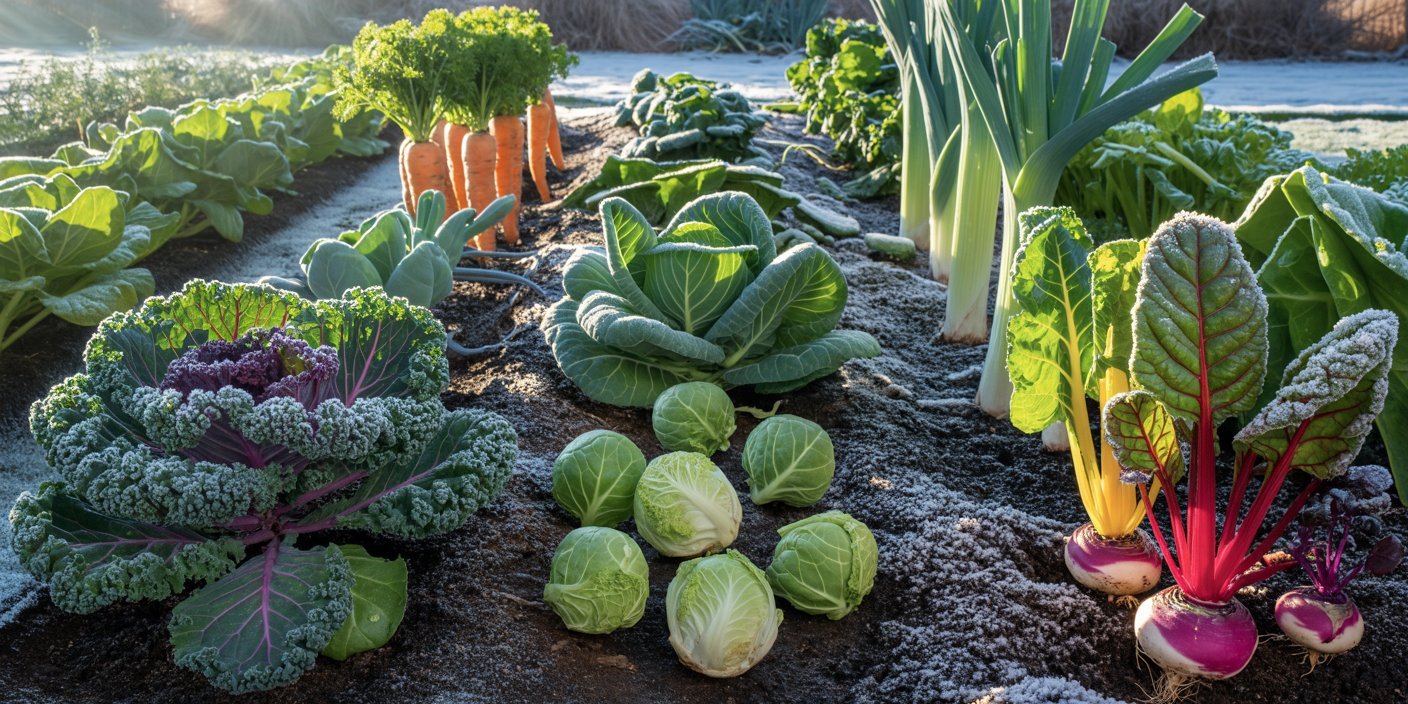
I used to believe winter meant the garden was officially closed. Once the cold rolled in, I’d pack away my gloves, clean out the shed, and mentally move on until spring.
That mindset stuck with me for years, mostly because everyone around me treated winter like a dead season for growing food.
Then one year, after a busy fall with the kids, school runs, work, and trying to keep the house running smoothly, I forgot to pull a few vegetables out of the ground.
A frost hit overnight, and I braced myself for mushy leaves and ruined plants the next morning. Instead, I walked outside with my coffee and saw greens standing tall, crisp, and somehow even better looking than before.
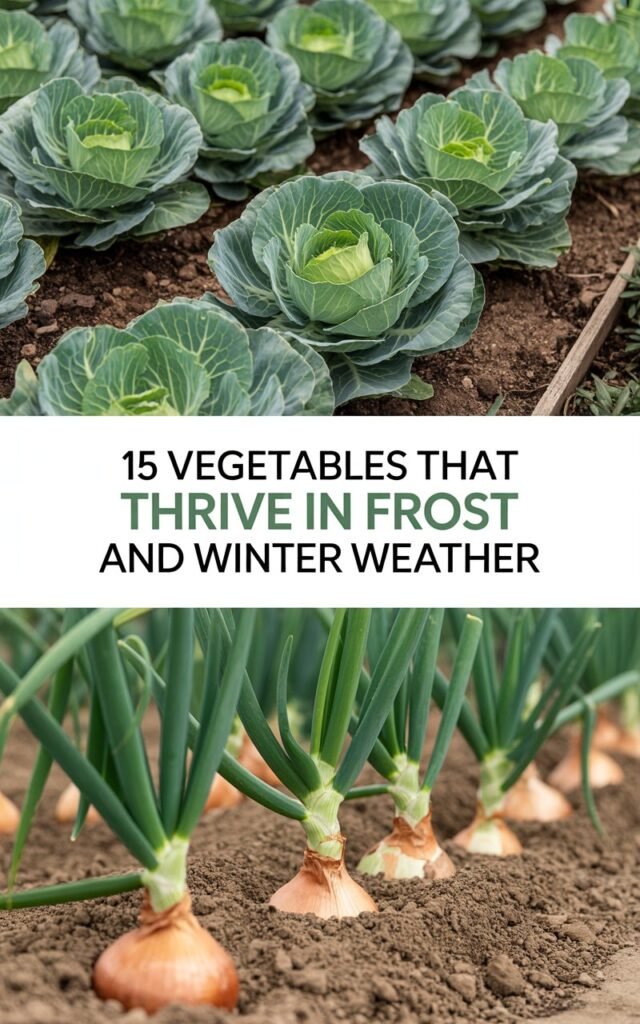
That moment completely changed how I see cold weather gardening.
Over time, winter vegetables became part of my routine, just like batch-cooking soups, reorganizing the pantry, and lighting candles earlier in the evening.
Now I actually enjoy stepping into the garden on cold mornings, knowing some plants don’t just survive frost, they prefer it.
Here are the vegetables I’ve grown, cooked, shared with friends, and relied on during the colder months.
1. Kale
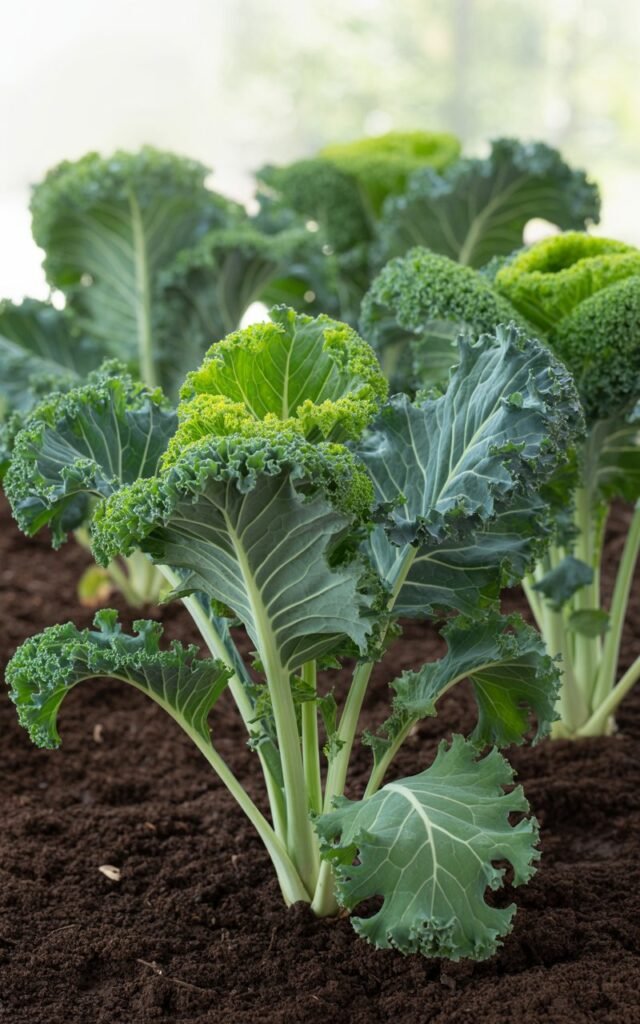
Kale is the vegetable that made me a winter gardening believer. After the first frost, the leaves become sweeter and less bitter.
I’ve harvested kale with gloves on while my breath fogged the air, and it still felt worth it.
In my kitchen, it ends up sautéed with garlic, blended into soups, or torn raw into salads with citrus dressing.
It’s hardy, forgiving, and keeps producing when everything else gives up.
2. Spinach
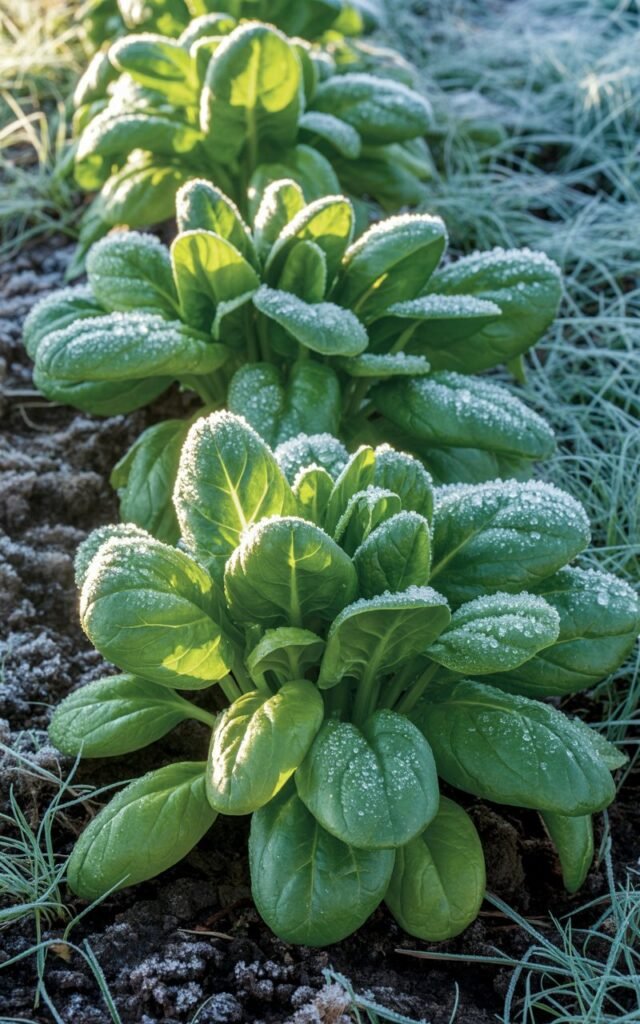
Spinach grows quietly, almost politely, during cold weather. I tuck it into raised beds and forget about it until I notice bright green leaves peeking through chilly soil.
On busy weeknights, spinach saves dinner. It wilts quickly into pasta, eggs, and rice dishes, making meals feel fresher even when winter cooking gets repetitive.
3. Carrots
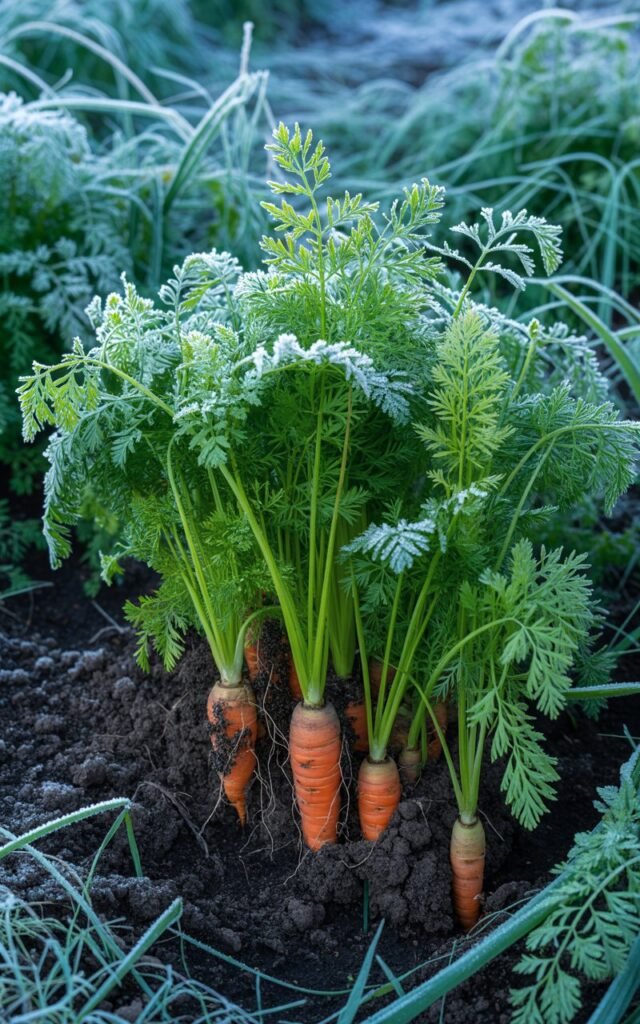
Carrots in winter are a surprise gift. Cold temperatures convert their starches into sugar, making them noticeably sweeter.
Pulling carrots from cold soil feels like uncovering buried treasure. I roast them for family dinners, slice them into stews, and snack on them raw while cooking, which always reminds me why growing food feels so rewarding.
4. Brussels Sprouts
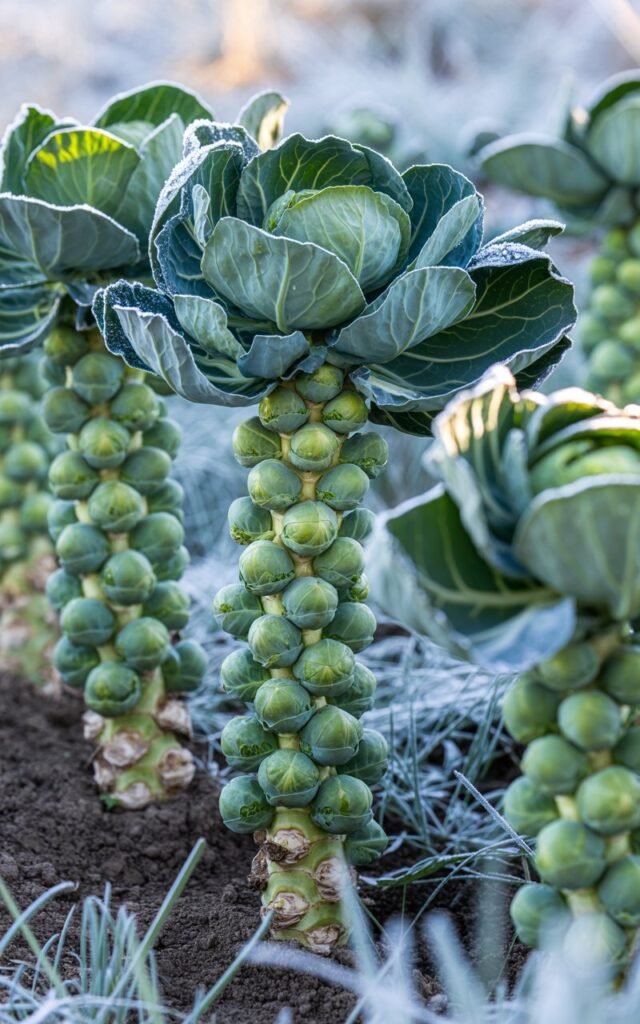
These take patience, but they’re worth it. Brussels sprouts grow slowly and don’t mind frost at all. In fact, cold weather improves their flavor.
I love roasting them with olive oil until the edges caramelize. Even friends who claim they hate Brussels sprouts change their minds when they’re grown and cooked this way.
5. Cabbage
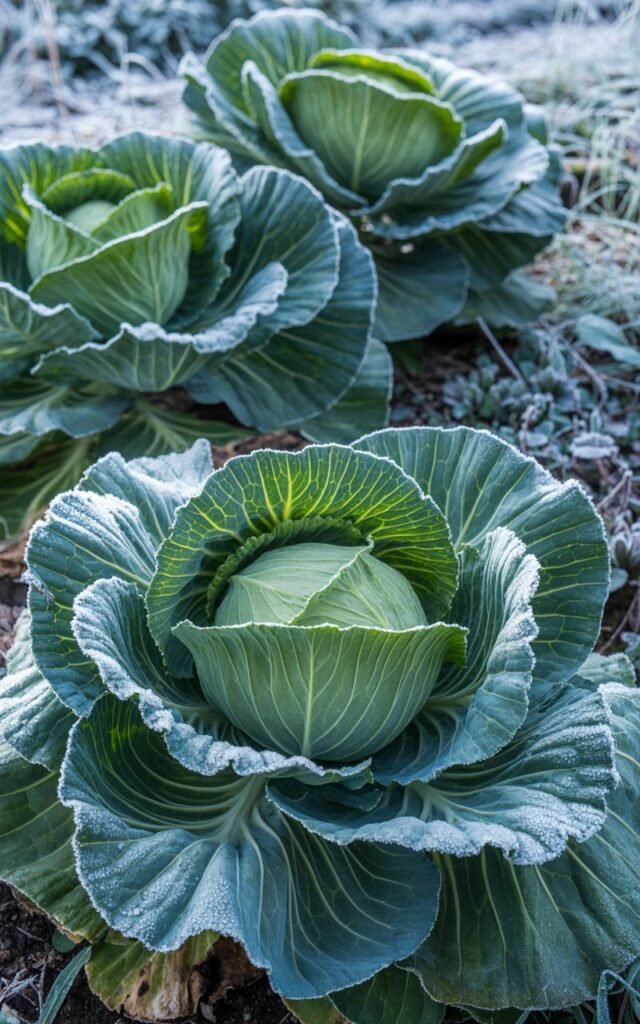
Cabbage feels made for winter. It’s sturdy, dependable, and doesn’t complain about cold winds or light snow.
In my house, cabbage turns into slaws, stir-fries, and comforting soups. It also stores well, which means fewer grocery trips when the weather is miserable.
6. Broccoli
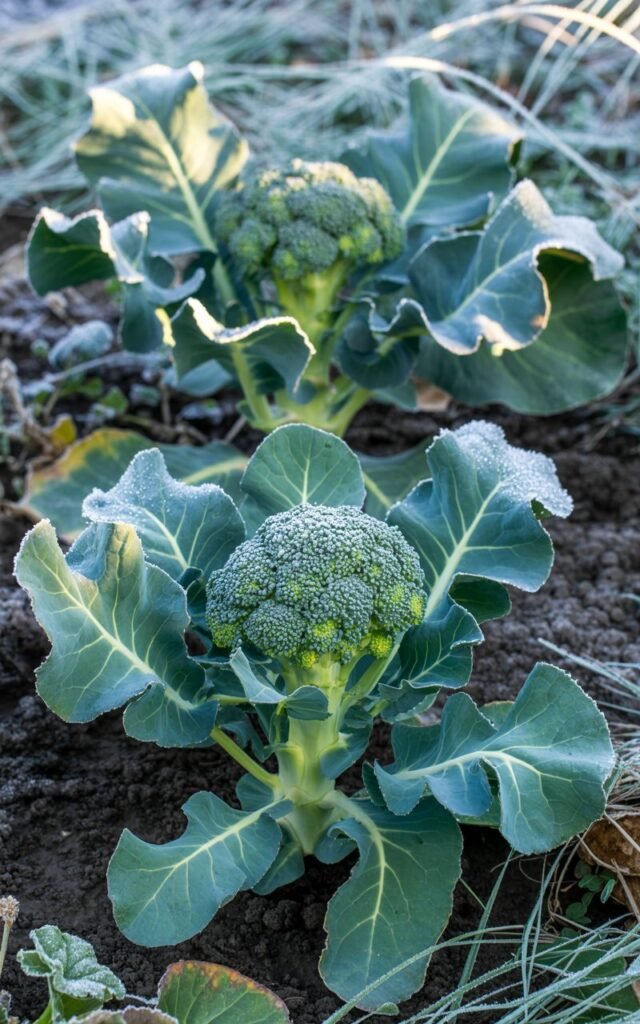
Broccoli doesn’t rush. It grows steadily through cool temperatures and rewards patience with firm, flavorful heads.
I harvest it in stages, using the main crown first and letting side shoots keep coming. It’s one of those vegetables that feels generous, especially in winter.
7. Cauliflower
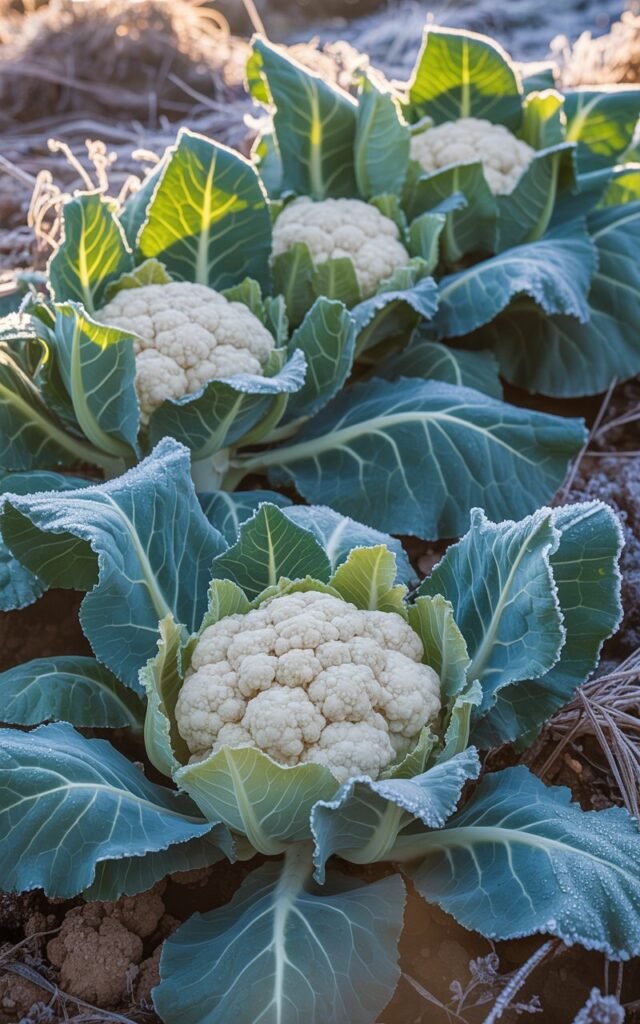
Cauliflower handles frost better than most people expect. It prefers cool conditions and develops tighter, cleaner heads when temperatures drop.
Roasted cauliflower has become a regular side dish in our house, especially on nights when everyone’s tired and still wants something warm and nourishing.
8. Swiss Chard
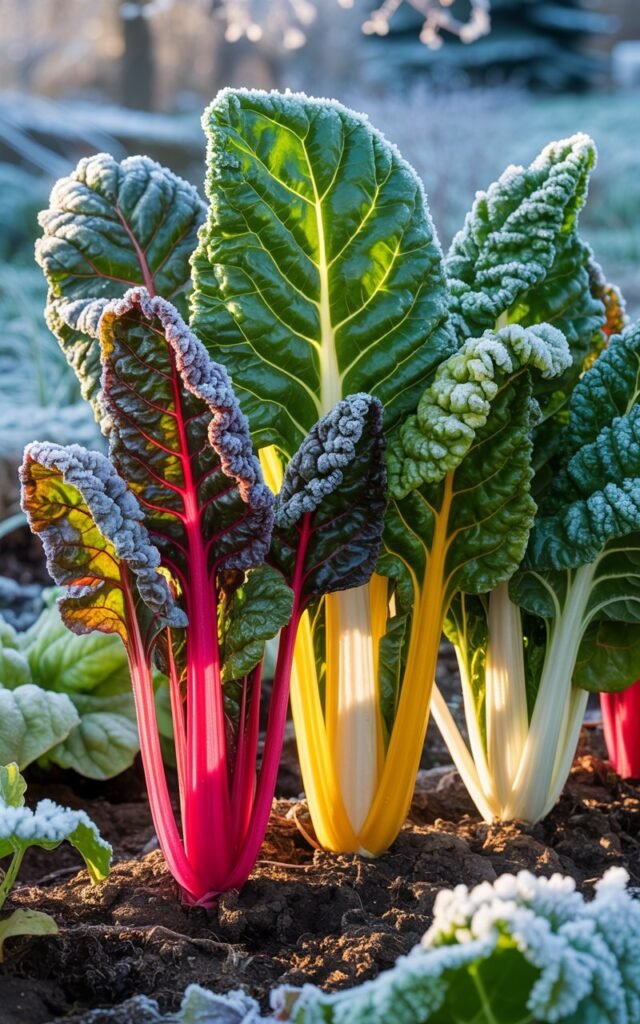
Swiss chard looks delicate but surprises you. It tolerates cold well and bounces back after frost.
I like it because it grows fast and looks beautiful in the garden, even when everything else turns dull. The stems brighten up winter beds and the leaves cook down perfectly with onions and spices.
9. Beets
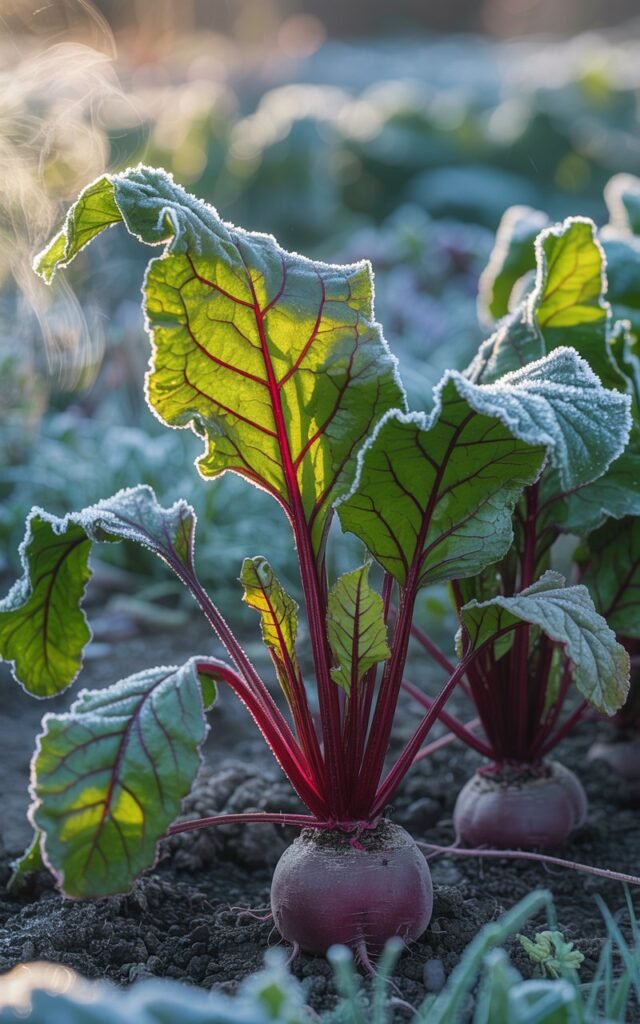
Beets thrive in cool soil, and their greens are just as useful as the roots.
I often roast the roots while sautéing the greens separately. It feels like getting two vegetables from one plant, which always makes me feel like I’ve outsmarted winter a little.
10. Turnips
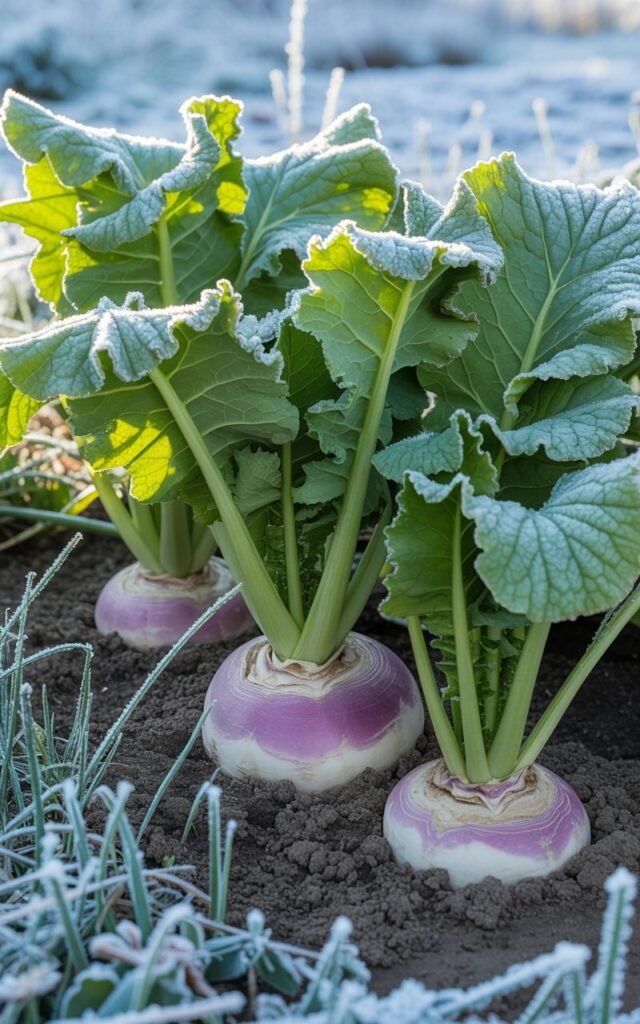
Turnips are another cold-weather sleeper hit. They grow quickly and don’t need much attention.
I dice them into soups, mash them with butter, or roast them alongside potatoes. Their mild flavor works well when winter meals need variety.
11. Radishes
Radishes mature fast and tolerate cold far better than summer heat.
I like planting them late in the season and harvesting them when everything else slows down. They add crunch to winter salads and brighten up heavy meals.
12. Leeks
Leeks practically laugh at frost. They sit patiently in the ground until you need them.
I use leeks constantly in winter cooking, especially in soups and slow-cooked dishes. Pulling them fresh from cold soil makes even simple meals feel special.
13. Parsnips
Parsnips actually require frost to develop their best flavor.
They’re one of those vegetables that taste like winter itself. Roasted parsnips show up on our table during holidays and quiet Sundays alike.
14. Collard Greens
Collard greens are incredibly resilient. They stand up to cold weather and keep producing large leaves.
They cook down beautifully and hold flavor well, which makes them perfect for long-simmered dishes on cold evenings.
15. Garlic
Garlic might be the most satisfying winter grow. Plant it in fall, let it rest under cold soil, and watch it explode with growth in early spring.
I grow garlic every year now because the flavor difference is noticeable, and it feels like planting a promise for future meals.
Why Winter Gardening Became Part of My Routine
Winter gardening slowly became something I looked forward to. As life inside the house quiets down, stepping outside to check on plants feels calming and familiar.
These vegetables don’t need constant attention, which fits perfectly with the slower pace of the season.
What I love most is the reminder that growth doesn’t stop just because it’s cold. A little consistency goes a long way, whether it’s in the garden, the kitchen, or daily life.
If this inspired you, feel free to share it with someone who might enjoy trying winter gardening for themselves.