
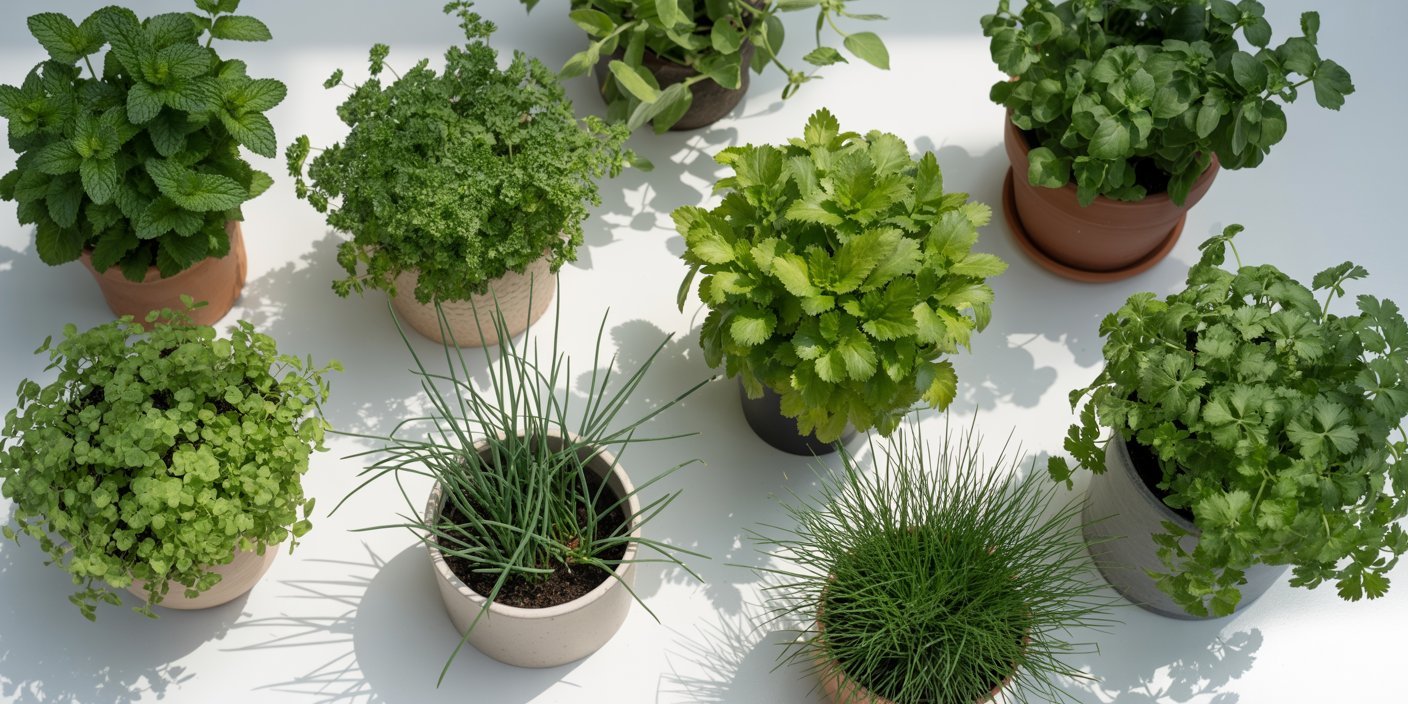
If you’ve ever thought, “I love fresh herbs, but my garden doesn’t get much sun,” you are not alone! Our family struggled with the same problem for years.
Between our shady backyard and our little side patio, sunlight is scarce—but that didn’t stop us from building a thriving herb garden.
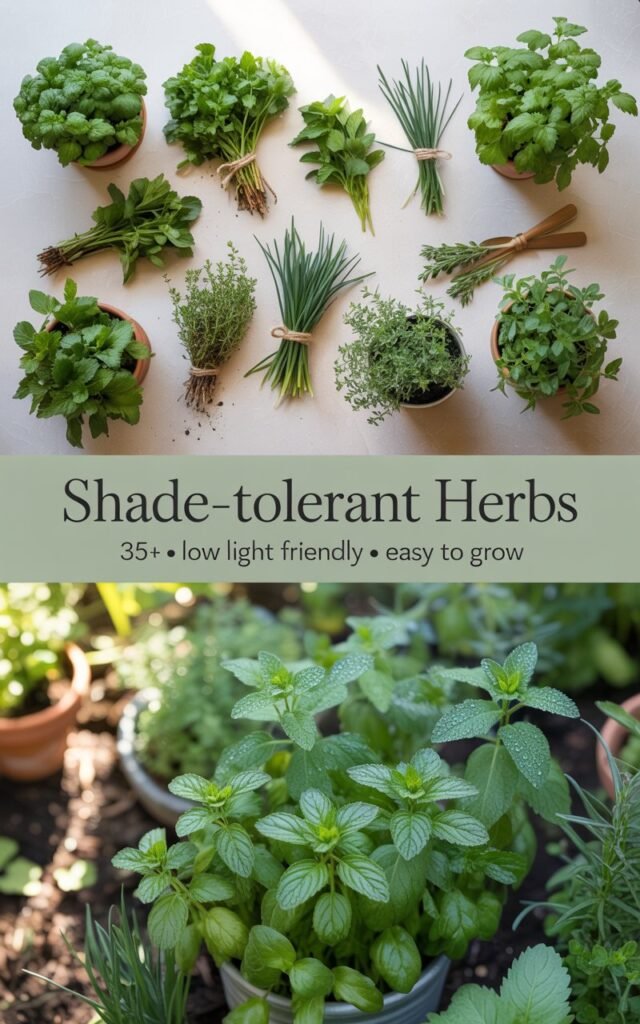
Over time, we’ve discovered more than 35 herbs that flourish in low-light conditions, and I want to share them with you—along with tips, tricks, and a few of my own personal garden hacks.
Whether you’re starting your first herb garden, or just looking to expand your shade-loving collection, this guide is for you.
Amazon Gear for Growing Shade-Tolerant Herbs I Recommend
Want to Grow Fresh Herbs Even With Limited Sunlight?
Not everyone has a sunny garden or bright windows — and that’s okay.
Many herbs thrive in partial shade or low-light conditions, especially when you use the right containers, soil, and grow tools.
Below are my top Amazon picks to help you successfully grow herbs indoors, on shaded patios, or in low-light gardens.
Top Amazon Essentials for Low-Light Herb Gardening
| Product | Why You’ll Love It | Shop Now |
|---|---|---|
| Herb Planters with Drainage (Indoor/Outdoor) | Perfect size for individual herbs and prevents root rot in low light. | Check Price on Amazon |
| Compact Grow Light (Full Spectrum) | Supplements natural light so herbs thrive even in dark spaces. | View on Amazon |
| Organic Potting Soil for Herbs | Lightweight, well-draining soil that supports healthy root growth. | Shop Now |
| Self-Watering Herb Pots | Maintains consistent moisture — ideal for shade-grown herbs. | Buy on Amazon |
| Herb Seed Variety Pack | Includes many shade-tolerant herbs to grow year-round. | See Details |
| Plant Mister / Spray Bottle | Helps maintain humidity for indoor and low-light herbs. | Check Price |
| Small Garden Shears | Makes harvesting herbs easy without damaging the plant. | View on Amazon |
| Plant Labels & Markers | Keeps your herb garden organized and beginner-friendly. | Shop Now |
Why Grow Herbs in Shade?
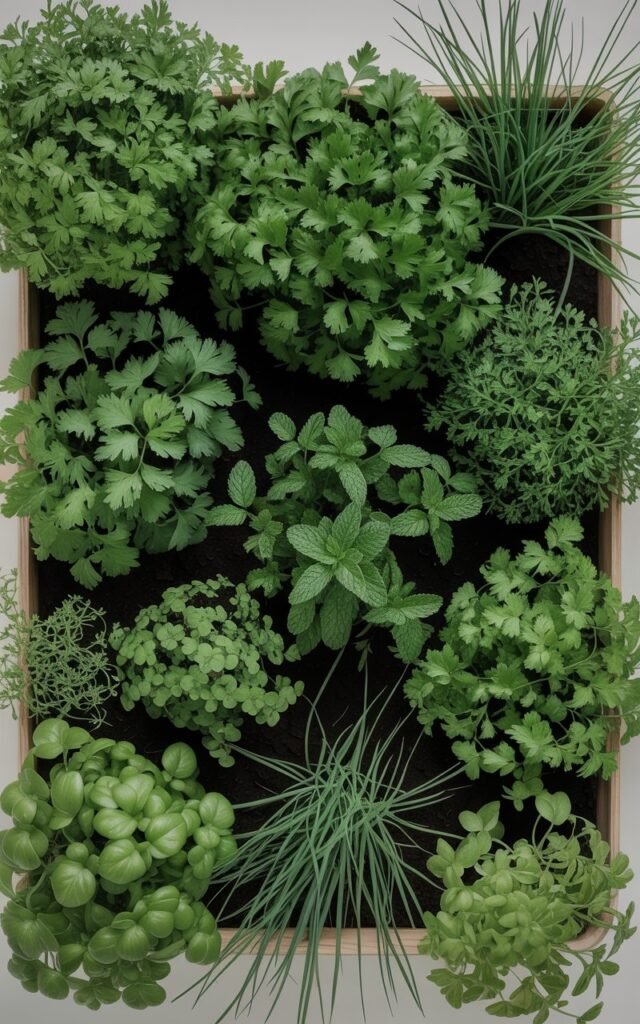
Fresh herbs make everything better—scrambled eggs, soups, salads, even lemonade!
But here’s the thing: some herbs actually prefer a little shade.
They don’t like the intense afternoon sun and thrive in cooler, filtered light.
We’ve found that growing herbs in shaded spots also gives us more control over their growth.
Herbs in the sun can bolt too quickly or dry out, but those in shade often grow slower and more flavorful.
Plus, they make shady corners of your garden feel alive with greenery, aroma, and even tiny edible flowers.
Growing herbs in low-light areas also gives beginners a friendly starting point.
Herbs are forgiving and give you instant rewards—a pinch of chives in a salad or a sprig of mint in tea—and that success keeps you motivated to try even more plants.
Understanding Shade in Your Garden
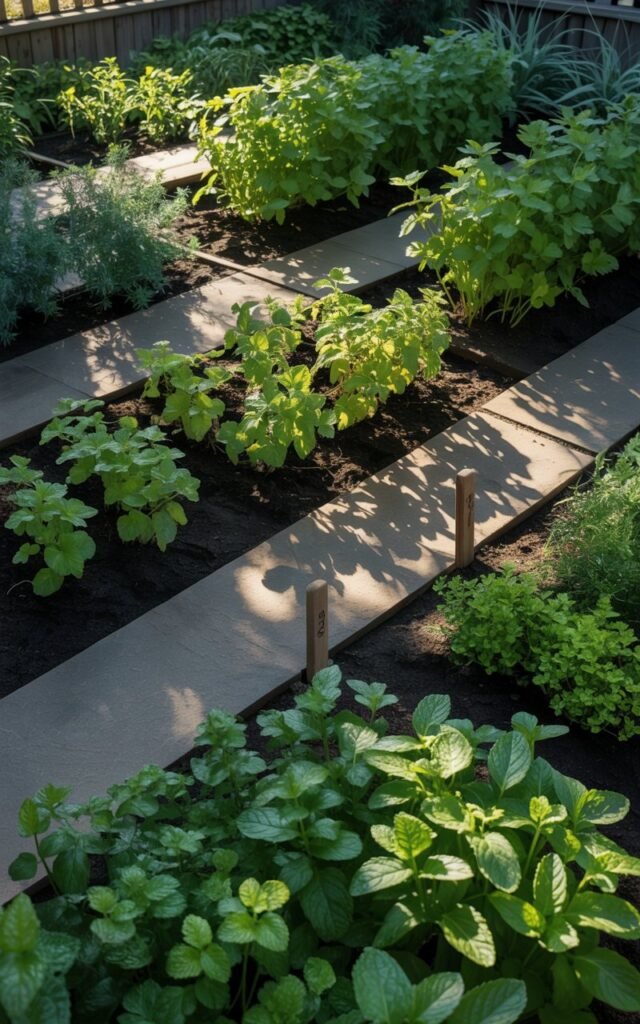
Before you plant anything, it’s important to know what kind of shade your garden has. “Shade” doesn’t mean zero sun—it’s all about degrees:
- Partial Shade / Partial Sun (2–6 hours of sunlight): Most herbs can thrive here. Morning sun with afternoon shade is ideal.
- Full Shade (less than 2 hours of sunlight): Only hardy, low-light-tolerant herbs will flourish. Think mint, wild ginger, or chives.
A trick we use at home is moving potted herbs around to catch more light or placing them near reflective surfaces like a light-colored wall. Even in full shade, a little strategy can go a long way.
Tips for Growing Herbs in Low Light
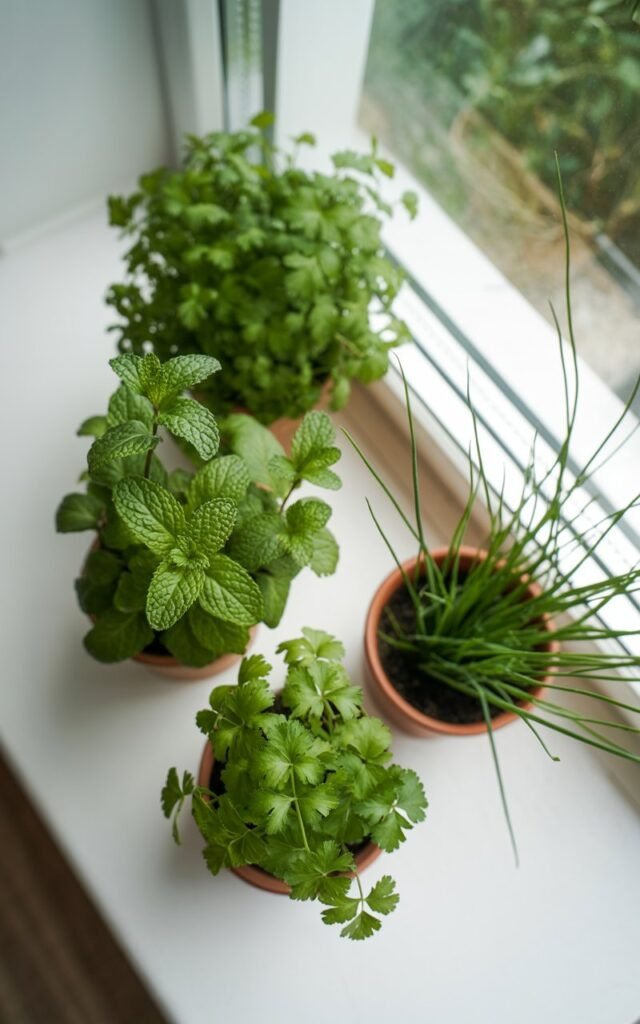
- Nutrient-rich soil is your best friend. Herbs in shade may grow slower, but they still need plenty of nutrients. We always add compost or organic fertilizer to give them a boost.
- Pinch and prune regularly. Shade herbs can grow tall and leggy. Snipping back new growth encourages bushy plants and more leaves to harvest.
- Pot your herbs. Containers let you move plants around to catch sun or bring them indoors for winter. My favorite trick is rolling planters that can shift with the sun.
- Water carefully. Shady spots may stay moist longer. Check soil frequently; overwatering is just as harmful as under-watering.
- Preserve your harvest. Herbs can be frozen, dried, or turned into oils. Even in winter, you can enjoy summer flavors all year long.
Perennial Herbs That Grow in Shade
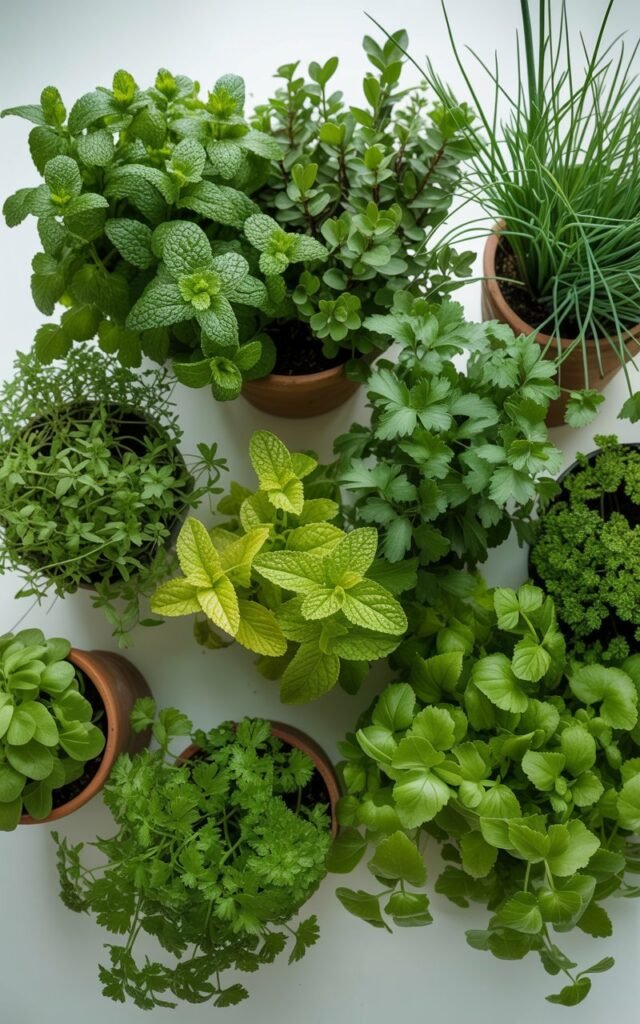
Perennials come back year after year, giving you a reliable source of flavor. Here are some favorites we’ve grown in our garden:
- Chives: Easy to grow, great for soups and salads, and their purple flowers are edible. We love to chop them fresh into scrambled eggs for weekend breakfasts.
- Mint (all types): Chocolate, apple, pineapple—we keep these in pots to prevent them from taking over the yard. Perfect for iced tea, desserts, or even a refreshing water infusion.
- Lemon Balm: My go-to herb for bedtime tea. Soothes headaches, stress, and helps with sleep. Also makes a lovely garnish for fruit salads.
- Thyme: Both creeping and upright thyme are excellent. We use it in soups, roasted vegetables, and homemade bread.
- Oregano: Tough, aromatic, and full of flavor. Excellent in pasta sauces, ratatouille, and even homemade herbal teas.
- Lovage: A parsley relative with a subtle celery flavor. We use it in soups, stews, and even green juices.
- Sorrel & Sweet Cicely: Tart, tangy, and full of flavor for salads, teas, and light sauces.
Pro Tip: Many perennial herbs spread via division. Ask friends for clippings—our garden is full thanks to generous neighbors!
Annual Herbs That Grow in Shade
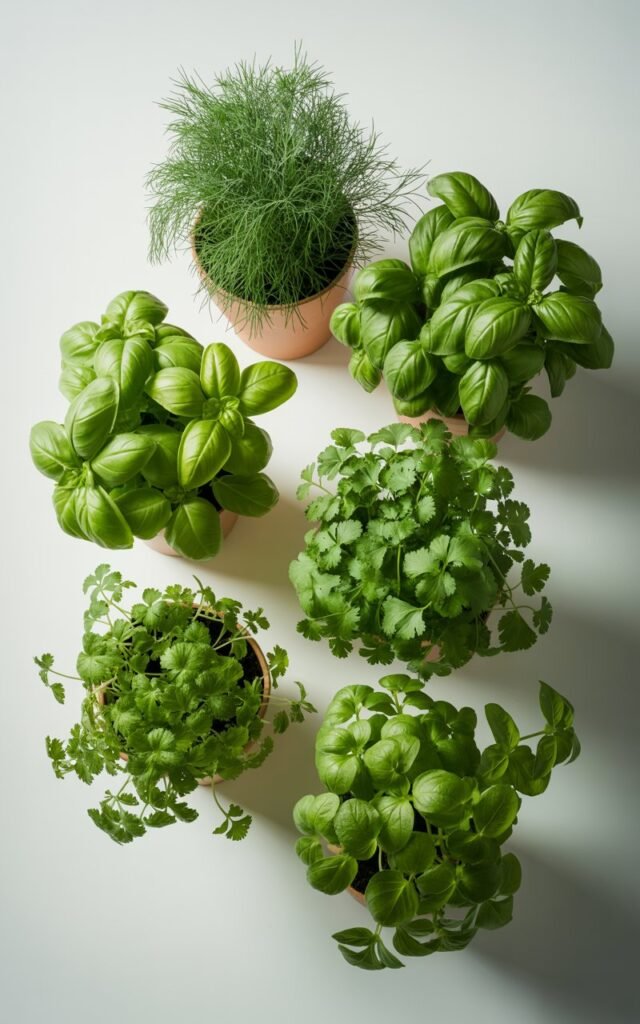
Annual herbs need replanting each year but reward you with fresh flavor all season:
- Basil: Thrives even in partial sun. Our favorites are purple, lemon, and Thai basil. Perfect for pesto, salads, or quick summer dinners.
- Cilantro & Coriander: Two crops in one! Fresh cilantro leaves for salsas, coriander seeds for cooking. A must for summer recipes.
- Parsley & Chervil: Brighten dishes and add a pop of flavor. Parsley is hardy and easy for beginners, while chervil brings a subtle anise-like flavor.
- Dill: Fantastic for pickling, soups, and salads. Its umbrella-shaped flowers attract pollinators too!
- Lemon Verbena: Adds citrusy fragrance to teas, desserts, and homemade body care products.
Medicinal Herbs That Love Shade
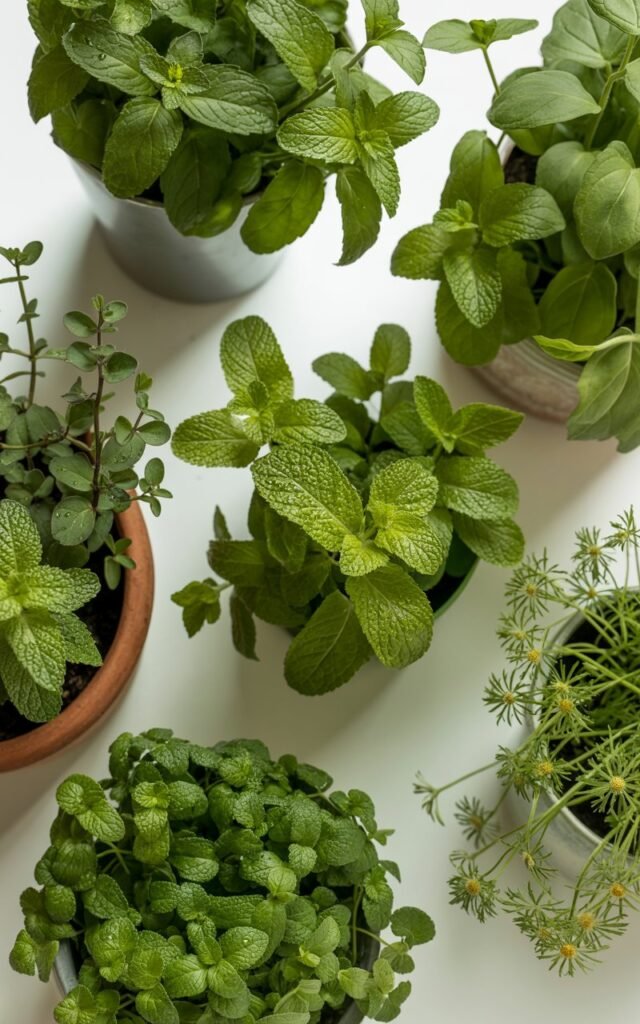
Some herbs aren’t just tasty—they’re powerful little healers. We grow these for tea, tinctures, and natural remedies:
- Chamomile: Perfect bedtime tea, soothing and gentle for the whole family.
- Tulsi (Holy Basil): Adaptogenic and stress-relieving. We drink it daily in tea or sprinkle it over dishes.
- Elderflower & Red Raspberry Leaf: Immune support and reproductive health benefits. Elderflower also makes delicious syrups and teas.
- Catnip: Not just for cats! Helps with sleep and even acts as a natural bug deterrent.
- Sweet Woodruff: Gorgeous as groundcover, used historically for teas and flavoring desserts.
- Wild Ginger: Lovely for shady spots and provides an earthy, warming flavor to teas and cooking.
Extra Tips for Shade-Friendly Gardening
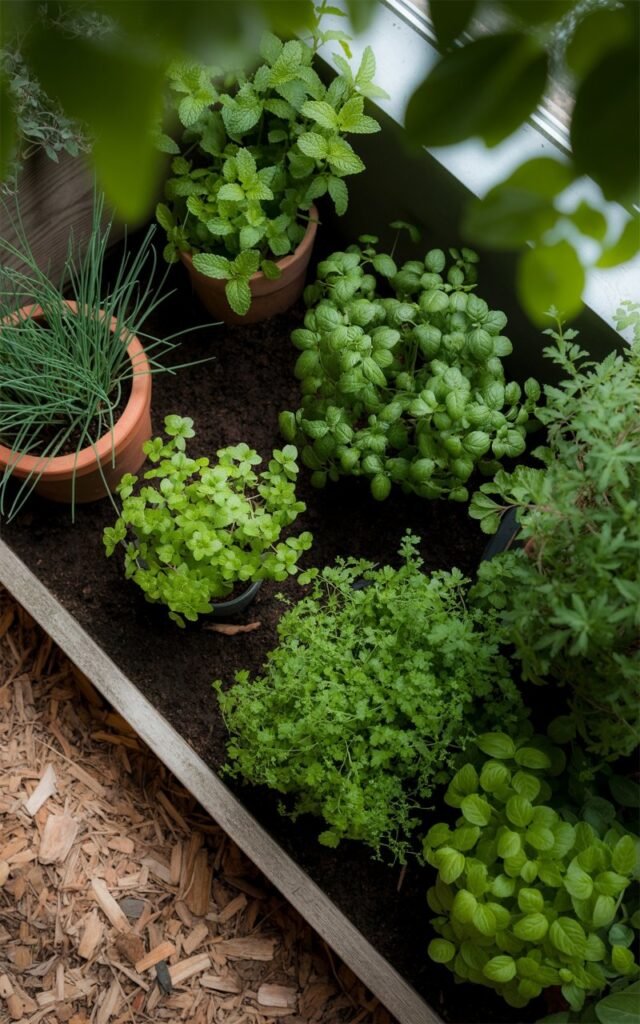
- Combine annuals and perennials for year-round harvest.
- Experiment with container gardens—move them to find the perfect light.
- Share the harvest—neighbors love fresh herbs!
- Be patient—shade-grown herbs may grow slower but are just as flavorful.
- Harvest regularly—it encourages new growth and keeps plants healthy.
Why We Love Shade Gardens
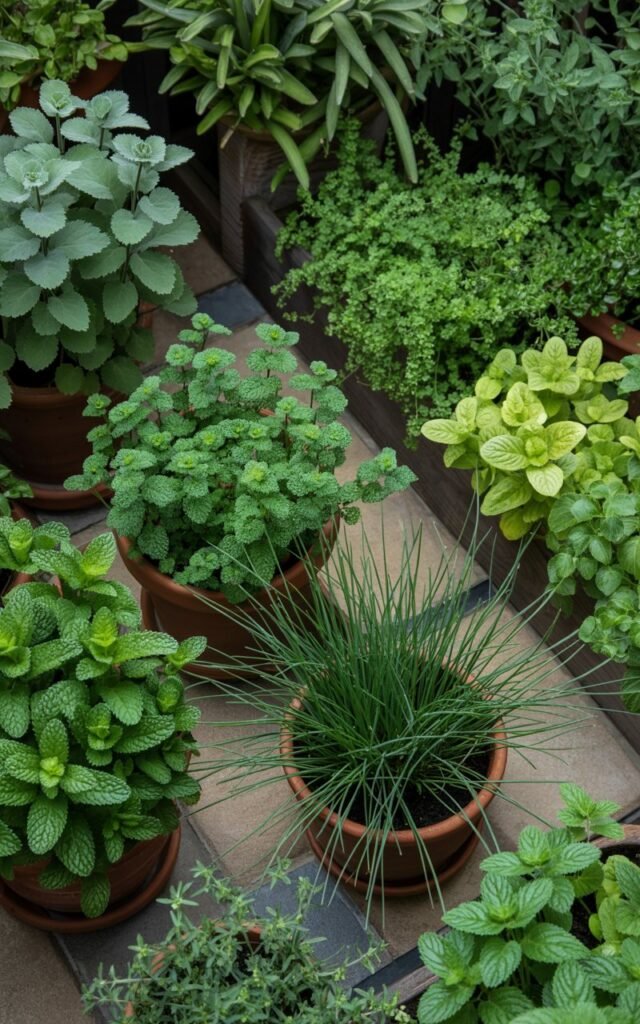
Our shady spots were once considered “useless,” but now they’re bursting with flavor, color, and life.
From morning lemon balm tea to dinners with fresh thyme and oregano, these herbs make a tangible difference in our cooking and our well-being.
Shade doesn’t have to mean dull or empty—it’s an opportunity to explore herbs that thrive where sun-loving plants might struggle.
Start small, grow steadily, and enjoy the magic of herbs that love the shade as much as we do.