
I’ve learned over the years that the hobbies that stay with me are never the loud ones. They’re the quiet practices I return to when the house finally settles, when the dishes are drying on the rack, and when the day has given me just enough space to breathe again.
Watercolor painting became one of those practices for me, not because I set out to become skilled, but because I needed something steady and forgiving in the middle of everyday life.
I’ve tried many creative outlets. Some felt exciting at first but quickly became overwhelming.
Others required too much time, too much setup, or too much pressure to perform. Watercolor was different. It met me where I was. Tired hands, busy schedule, and all.
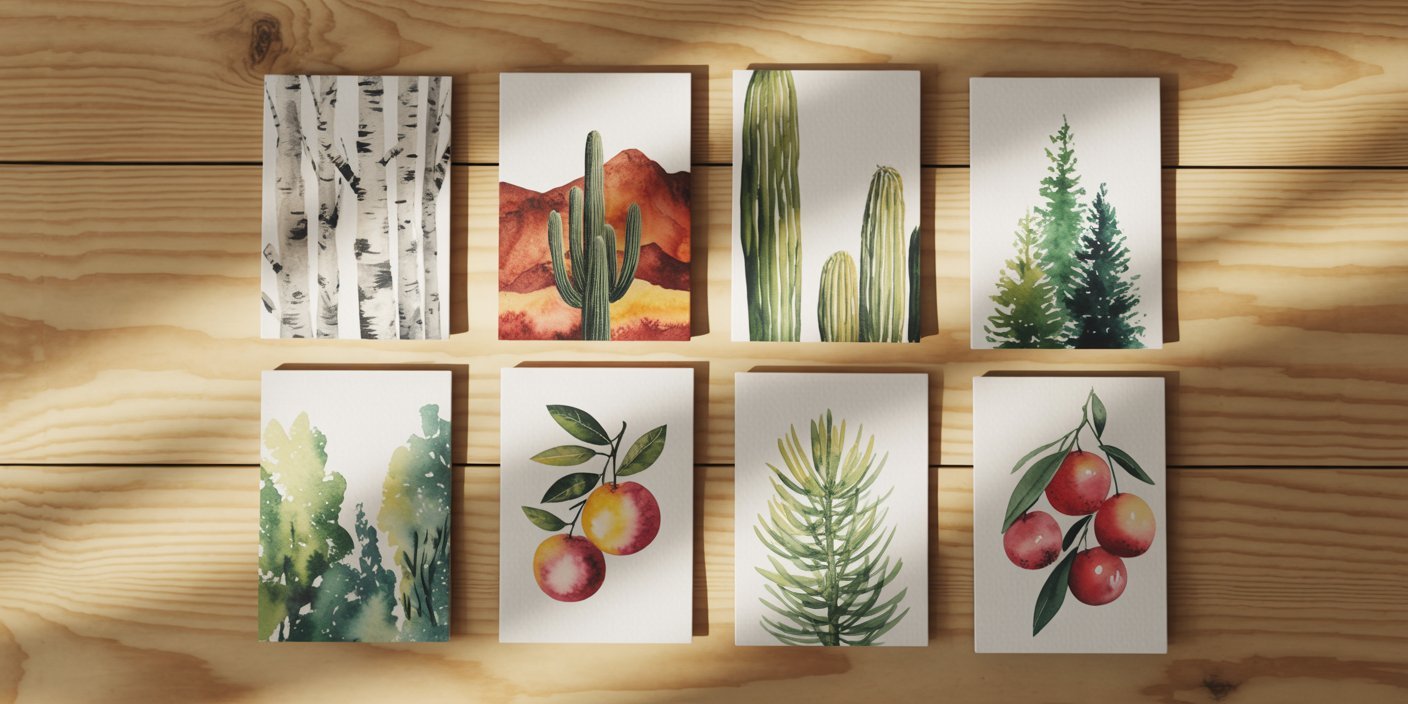
Mini watercolor paintings, in particular, are what kept me coming back. Small enough to fit into real life, simple enough to enjoy without stress, and beautiful enough to feel rewarding even on the days when nothing else feels finished.
How Watercolor Found Its Way Into My Routine
I didn’t sit down one day and decide to become a painter. It happened gradually. A gift from a friend.
A quiet afternoon at the kitchen table. A moment when the kids were occupied and the house felt unusually still.
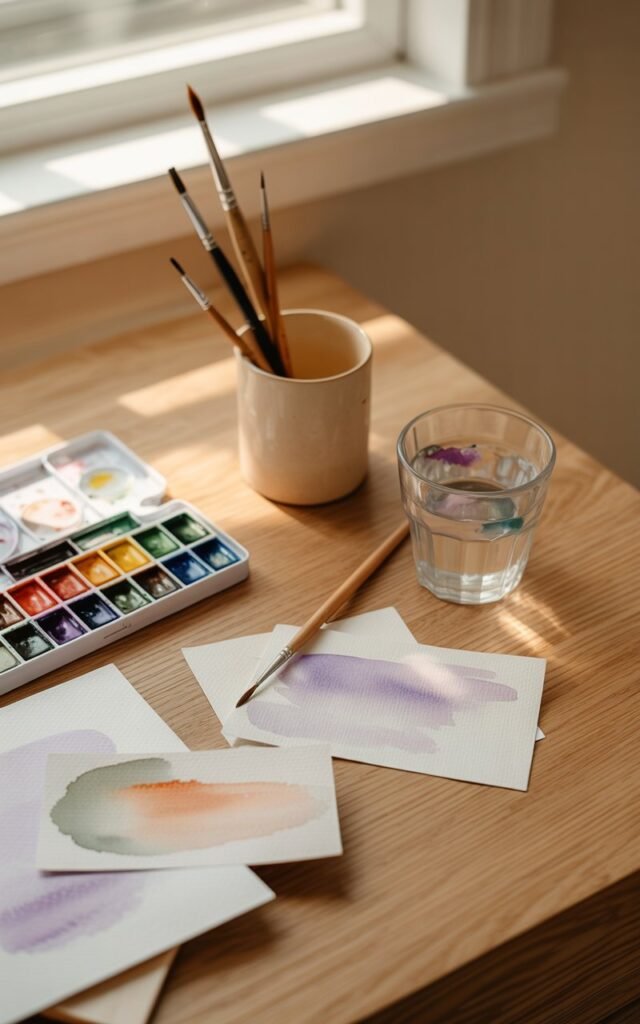
I remember laying out a tiny piece of paper next to my coffee mug, just to see what would happen. No plan. No reference photo. Just water, pigment, and curiosity.
That small moment turned into a habit I now protect gently, the same way I protect my early mornings or my evening wind-down.
Watercolor doesn’t demand perfection, and that’s what makes it perfect for beginners.
Why Mini Paintings Are the Best Way to Start
Large blank pages can feel intimidating, especially if you’re new. Small paintings remove that pressure entirely. You’re not committing to hours of work or expensive supplies. You’re simply exploring.
Mini projects also fit naturally into busy schedules. I can paint one while dinner is in the oven or while laundry finishes its cycle. I can stop anytime without feeling like I’ve failed to complete something.
That flexibility is what allowed me to grow without forcing it.
Gentle Floral Studies That Build Confidence
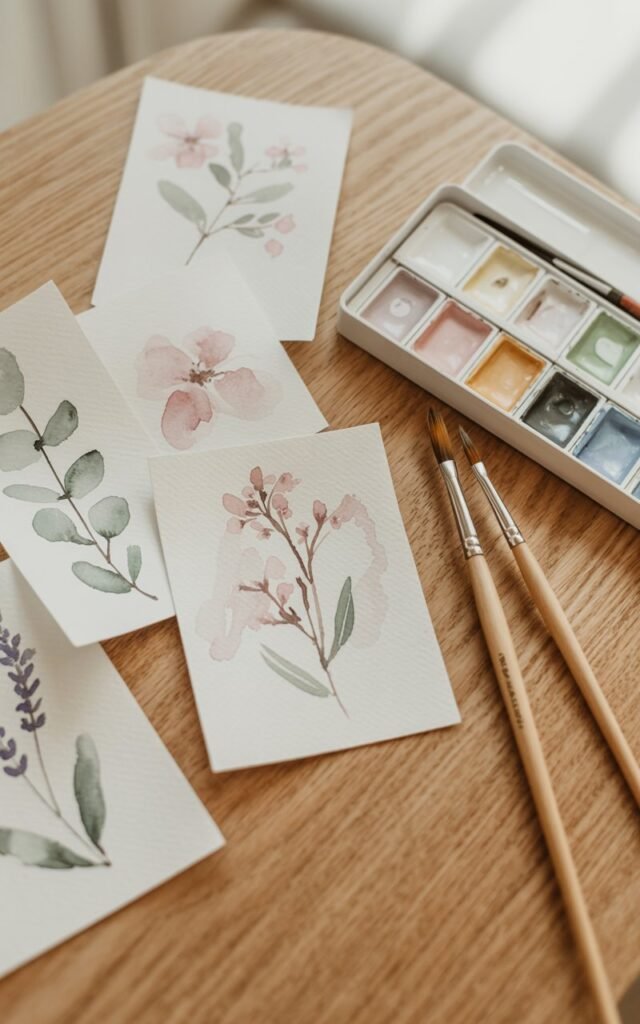
Loose flowers were the first thing I felt comfortable painting. Soft petals, blended edges, and imperfect shapes taught me that watercolor doesn’t need control to be beautiful.
I practiced these while sitting at the table after school drop-off, sometimes with one of my kids painting beside me.
Each flower looked slightly different, and that was the point. These studies taught me to trust the brush and let the water do its work.
Peaceful Landscape Minis Inspired by Real Life
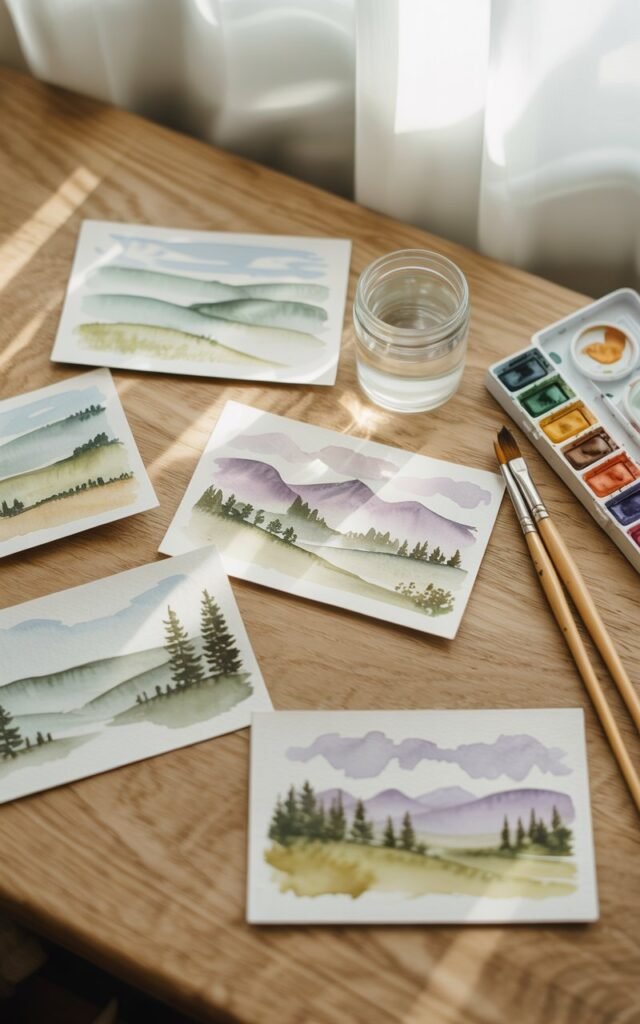
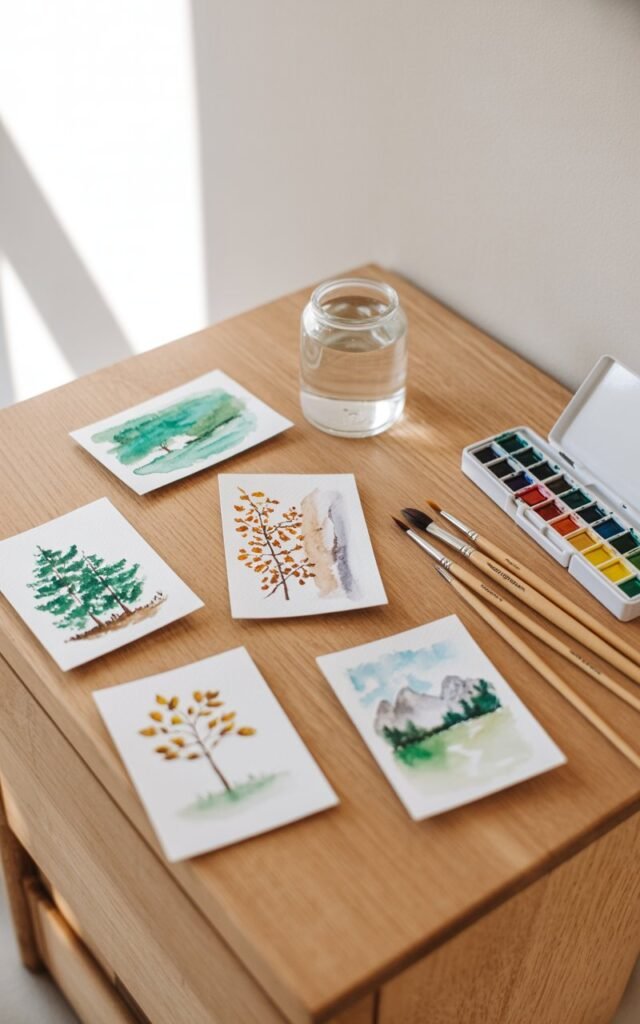
I often paint simple landscapes based on places I pass every day. A quiet road. A distant tree line. A pale sky just before sunset. These aren’t detailed scenes. They’re impressions.
This tutorial style helped me understand layering without overthinking it. A light wash, a grounded horizon, and a suggestion of distance.
These small landscapes became a visual way for me to slow down and remember places that bring calm.
Abstract Color Practice for Busy Days
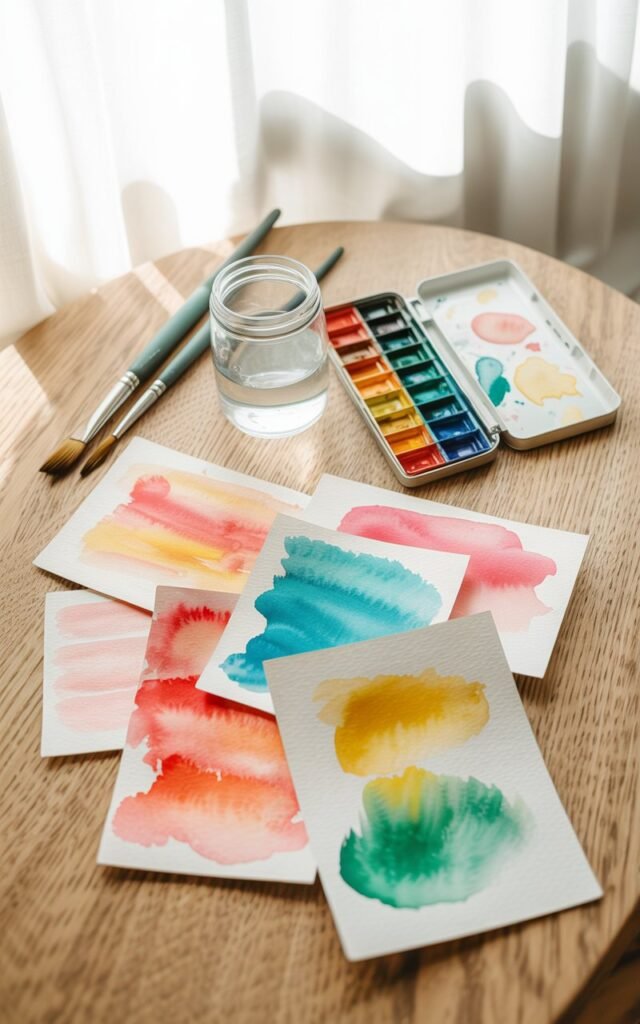
Some days, I don’t want to think at all. On those days, abstract watercolor is my go-to. No subject. No outcome. Just color moving across paper.
This approach became especially helpful on overwhelming days when everything felt noisy.
Watching pigments blend reminded me that not everything needs direction to turn into something beautiful.
Tiny Fruit Paintings That Add Joy
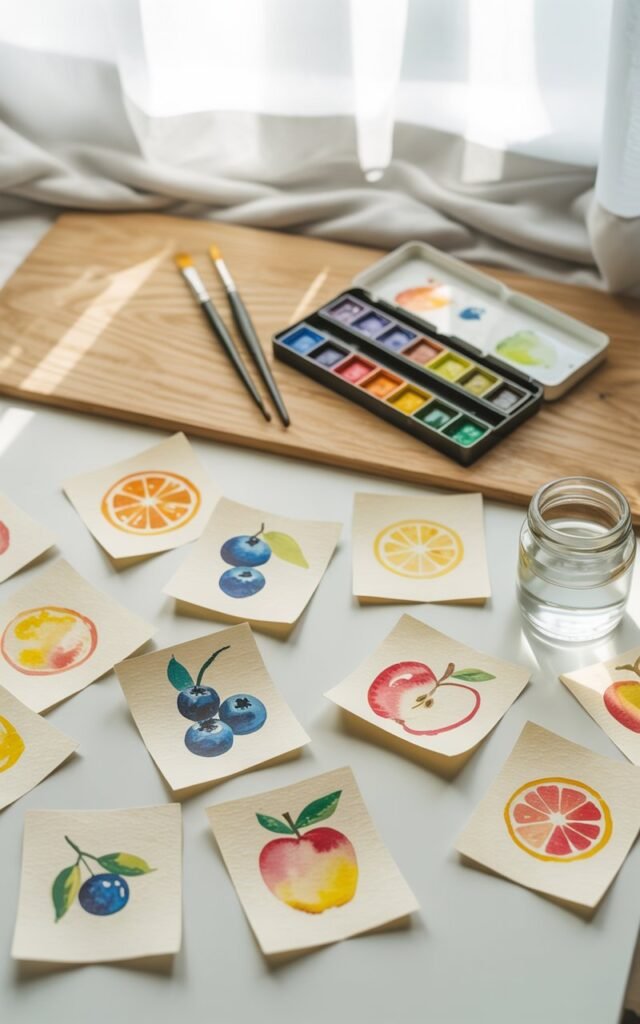
Simple fruit illustrations were something I started for fun and ended up loving. Strawberries, citrus slices, and little berries helped me practice shape and color without complexity.
My kids loved these and often asked to paint their own versions. We turned some into homemade cards and tucked others onto the fridge.
Painting became part of family life instead of something separate from it.
Botanical Leaves for Brush Control
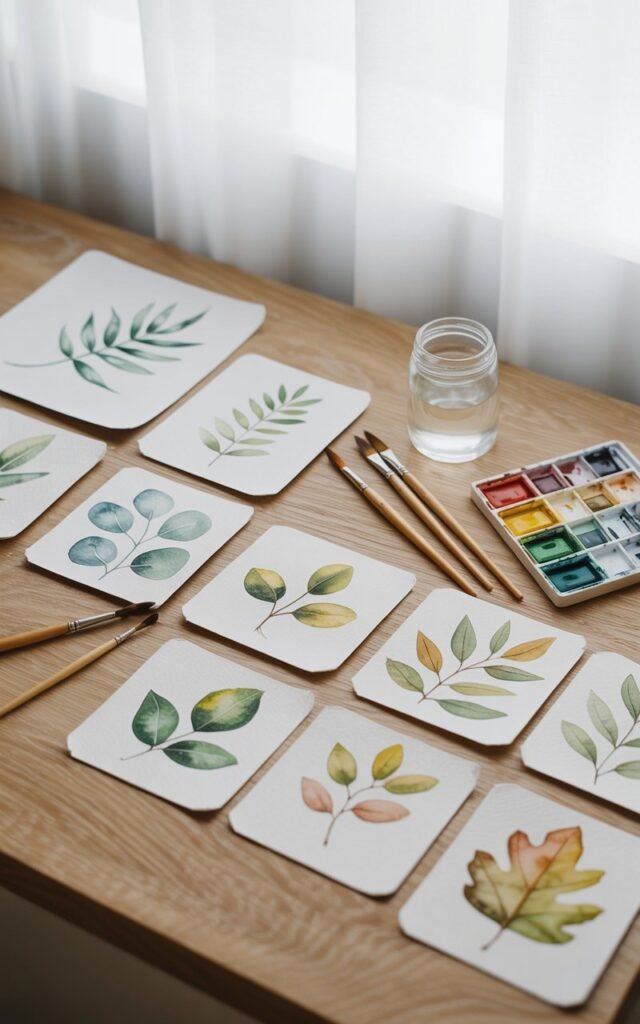
Leaf studies helped me understand how pressure affects brush strokes. These tutorials are simple but incredibly effective for beginners.
I practiced them during short breaks throughout the day, sometimes painting just one leaf at a time.
Over weeks, my brush control improved without me ever consciously trying to improve it.
Night Sky Miniatures for Calm Evenings
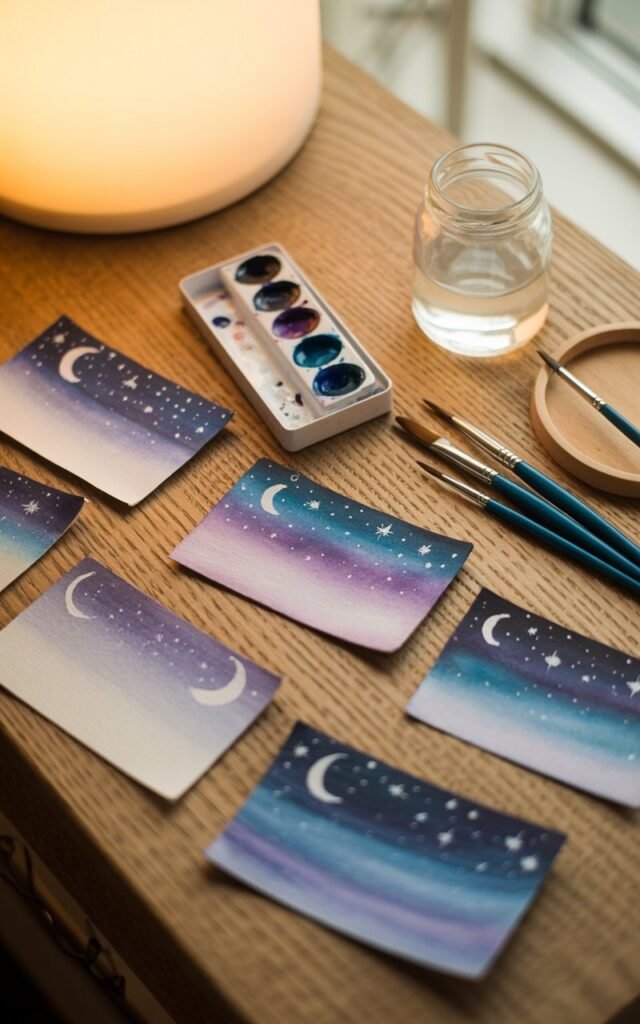
Painting night skies taught me patience. Dark colors require trust and restraint. This tutorial helped me layer deeper shades and add delicate highlights without rushing.
I usually paint these late at night when the house is quiet and the lights are low. They feel reflective, almost meditative, and always remind me why I started painting in the first place.
Everyday Objects as Practice Pieces

Some of my favorite mini paintings come from objects already around me. A mug on the counter. A plant near the window. A spoon resting beside the sink.
Painting everyday items trained my eye to notice beauty in ordinary moments. It also made the habit feel grounded in real life, not disconnected from it.
Supplies I Rely On and Keep Simple
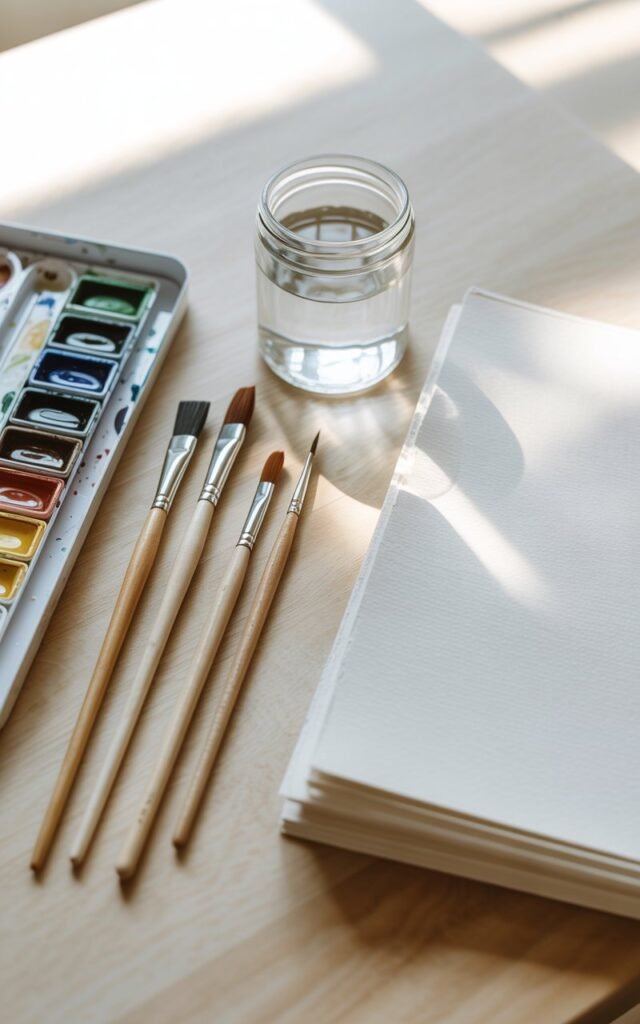
I don’t overcomplicate my setup. A basic watercolor palette, a dependable brush, paper towels, and a cup for water are all I need. Everything fits into a small space so I can begin and end sessions easily.
Keeping things simple is what made painting sustainable for me.
How This Hobby Fits Into My Life Long-Term
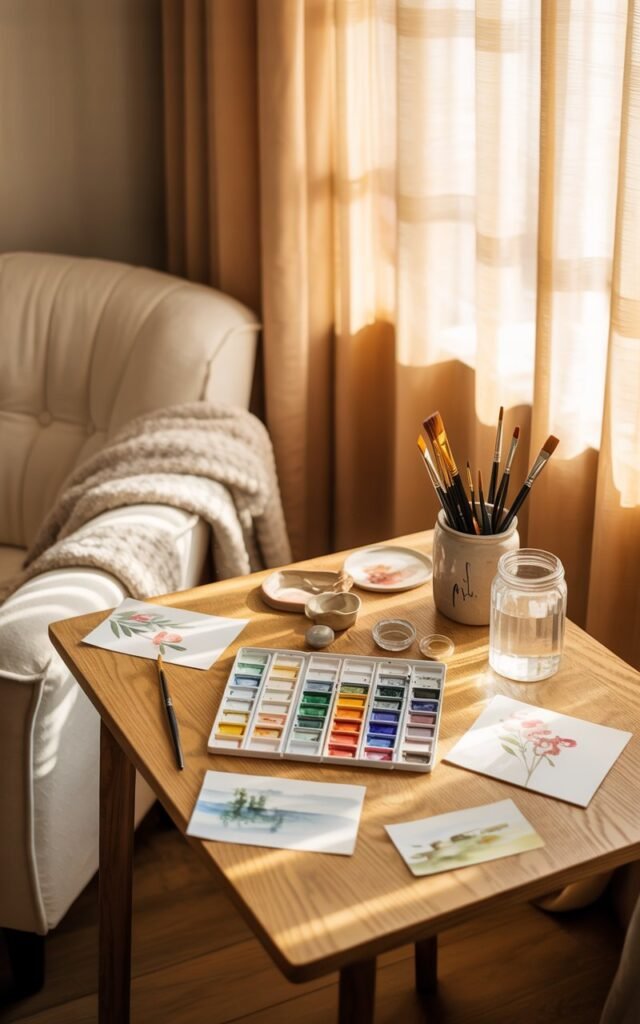
Watercolor isn’t something I force into my schedule. It fits naturally when it can. Some weeks I paint often. Other weeks I don’t paint at all.
That freedom is why I’ve stayed consistent without pressure. Painting became something I return to, not something I chase.
Final Thoughts From Experience
If you’re new to watercolor, start small. Let your work be imperfect. Let it exist quietly alongside your daily life.
Mini watercolor tutorials don’t just teach technique. They teach patience, gentleness, and presence.
That’s what they’ve given me, and that’s why I keep coming back to them, year after year.