
I take my job on blogging seriously, and a big part of that job is teaching people how to clean like a pro. A lot of viewers don’t know that I actually own a cleaning company.
I started the business in 2006, and over the years I have researched, studied, practiced, made mistakes, learned from others, and trained hundreds of people to clean professionally.
All of that experience has shaped the cleaning philosophy I share today.
On YouTube, I love sharing the small but powerful techniques that helped me build my business and drastically improve the way I clean. When I first started, I truly had no idea what I was doing.
Everything I teach now comes from real hands-on experience. In this post, I’m sharing my seven favorite professional cleaning tips—the same techniques I use in my company and in my own home.
Clean From Top to Bottom, and Left to Right
When I first began cleaning, I moved around the room like a tornado, tackling whatever I saw first.
I wasted time, missed spots, and often had to redo things I thought I had already finished. Everything changed when I learned the “top to bottom, left to right” method.
Cleaning from top to bottom is simple: dust and dirt fall downward. If you clean your countertops first and then wipe the cupboards above them, you’ll drop crumbs and debris back onto the clean surface.
No one wants to clean the same area twice. By working your way downward, you ensure that anything that falls gets cleaned when you reach the lower surfaces.
Working left to right (or right to left—just be consistent) prevents skipped spots. You follow a predictable path, which makes your cleaning more thorough and efficient.
Over time, it becomes muscle memory, and your cleaning sessions feel faster and more organized.
Gather All Your Supplies Before You Start
In the early days of my business, I wasted so much time running back and forth for supplies.
Eventually, I started timing myself and realized how much time those little trips were costing me.
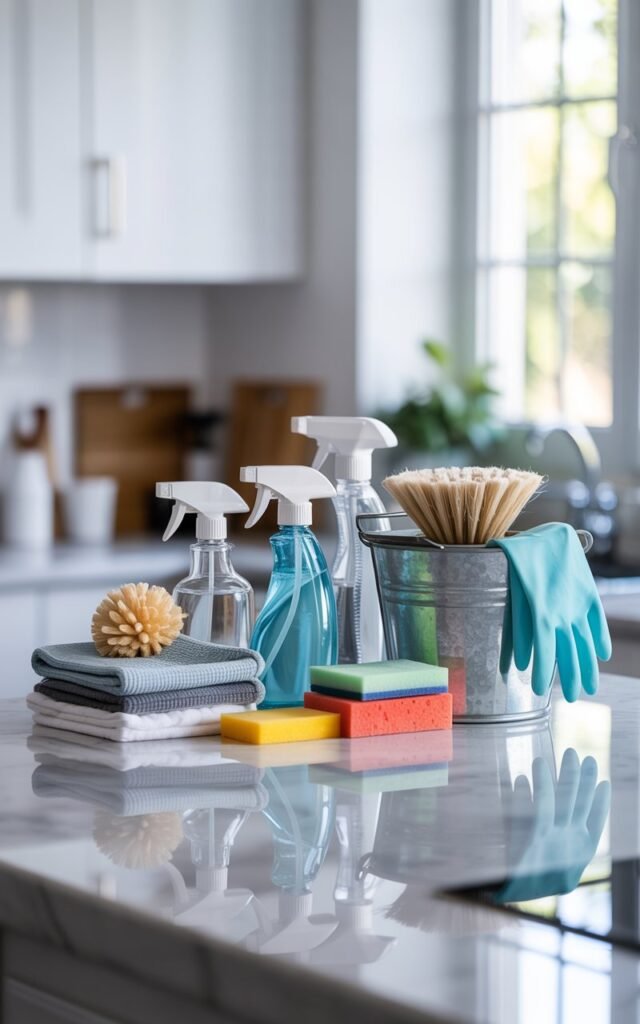
The solution was simple. Before starting any room, gather everything you need and place it in the center of the space or another easily accessible spot.
That way, you stay focused and move through the job without interruptions.
This small change shaved minutes—sometimes even hours—off my workday, especially when cleaning multiple homes in a row.
Let Your Cleaning Products Sit (Dwell Time Matters)
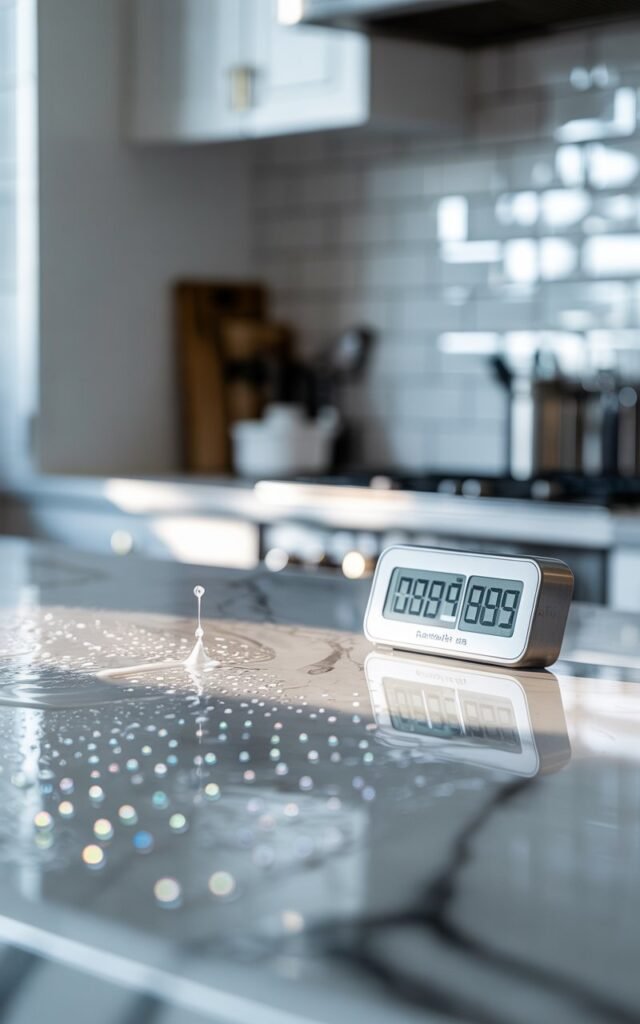
Cleaning commercials often show someone spraying a product and immediately wiping it away to reveal a spotless surface. In real life, that doesn’t happen.
Products need dwell time.
When I finally read the instructions on the back of the bottle, everything made sense.
Just like hair dye needs time to process, cleaning products need time to break down grease, grime, and residue.
Spray the product, let it sit, then wipe. This applies to store-bought cleaners and DIY solutions.
If you’re using a disinfectant, dwell time is even more important. Disinfectants typically need five to ten minutes to kill bacteria.
Wiping too soon means you’re cleaning but not actually disinfecting.
Start With Gentle Products Before Reaching for Stronger Ones
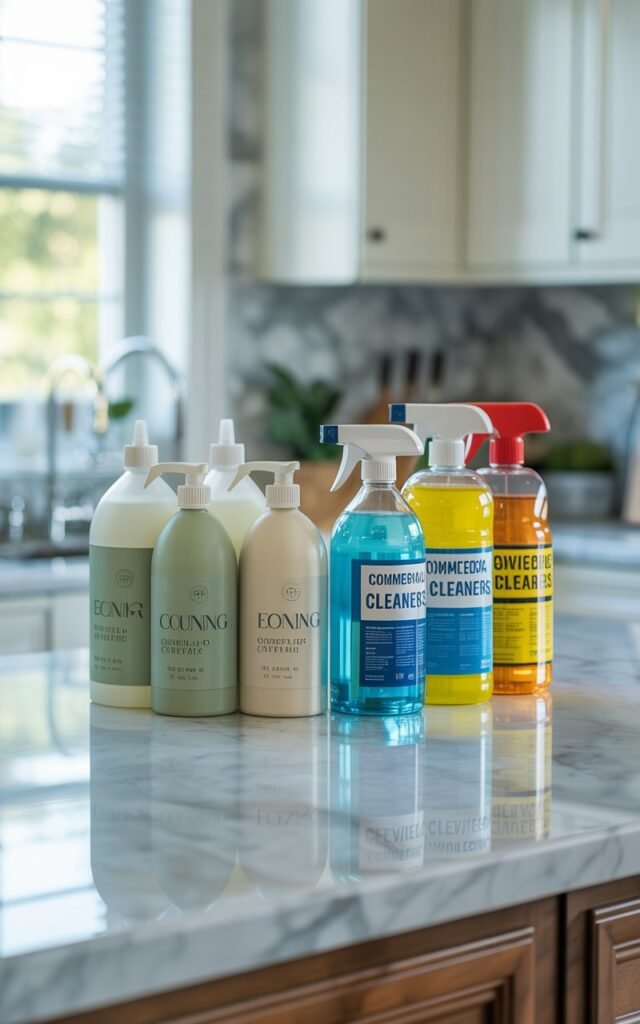
Many people assume their homes are dirtier than they actually are and immediately reach for harsh chemical cleaners.
In reality, most everyday cleaning can be done with gentler, safer products—especially if you have kids, pets, asthma, or allergies.
Gentle cleaners or DIY solutions can handle most situations. Save the stronger, more intense products for heavy grease, stubborn grime, or serious messes like someone getting sick on the bathroom floor.
Working from the least harsh product upward keeps your home cleaner, safer, and less chemically overwhelming.
Use the Eye-Level Test to Avoid Missing Hidden Spots
Early in my business, a customer politely called to tell me that her kitchen counter looked clean at first glance, but still had stains under the microwave.
I was shocked. I had spent ten minutes cleaning that counter myself.
That moment changed everything.
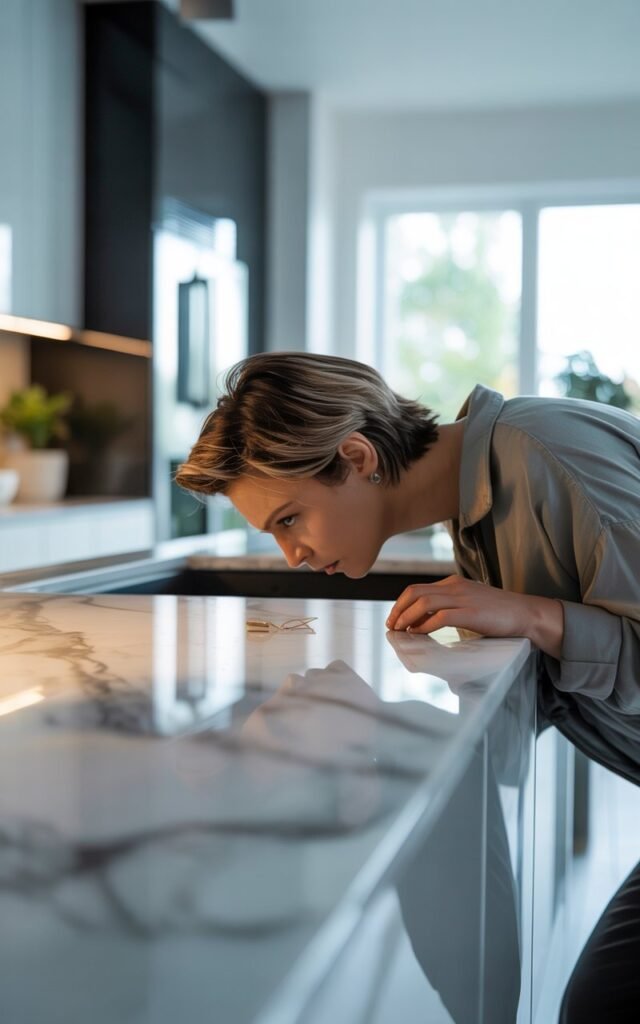
I developed what I now call the eye-level test. After cleaning a surface, crouch down so you’re eye-level with it.
This angle reveals smudges, crumbs, streaks, and spots you cannot see when looking from above.
When I train staff, I make sure the island or counter is extra dirty so they can see exactly how dramatic the difference is.
Once you start using the eye-level test, you’ll wonder how you ever cleaned without it.
Stop Cleaning in Circles and Use the S-Pattern
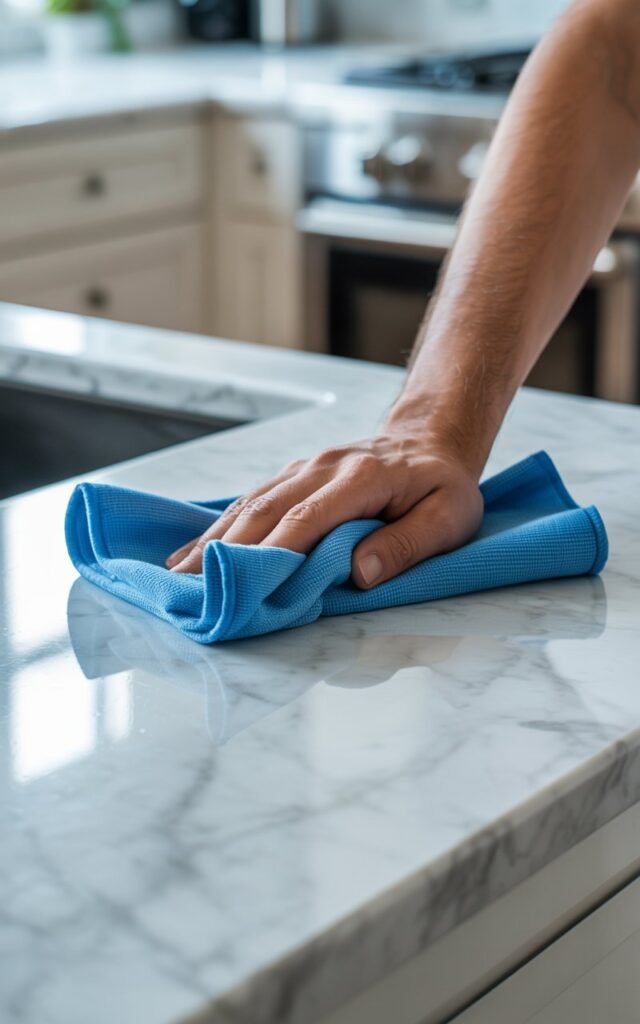
When I first began cleaning, I wiped in circles because that’s what I saw people do.
Eventually, I learned that circles are one of the least effective ways to clean a surface.
Circular motions cause you to drag dirt from one part of the surface back onto the clean areas, creating streaks and forcing you to work twice as hard.
The solution is the S-pattern.
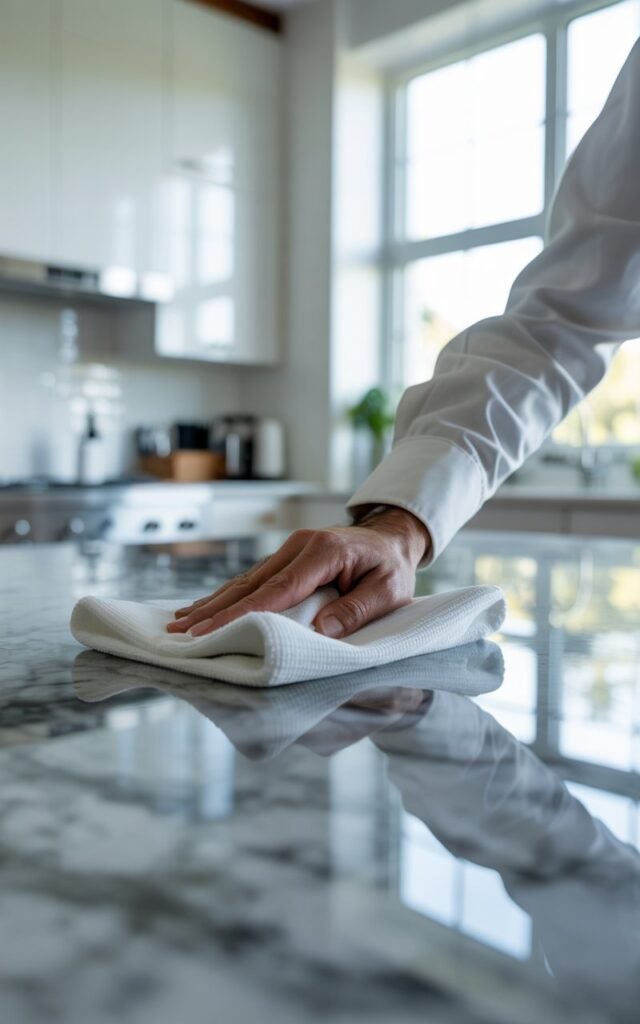
Start in the top corner, swipe horizontally across the surface, then zigzag downward in an S-shaped motion.
This keeps dirt moving in one consistent direction and reduces streaks dramatically. Your cloth stays cleaner longer, and your results are noticeably better.
The S-pattern is one of the most loved techniques I’ve shared. Many people say it changed the way they clean.
Use Parallel and Perpendicular Placement for a Tidy Finish
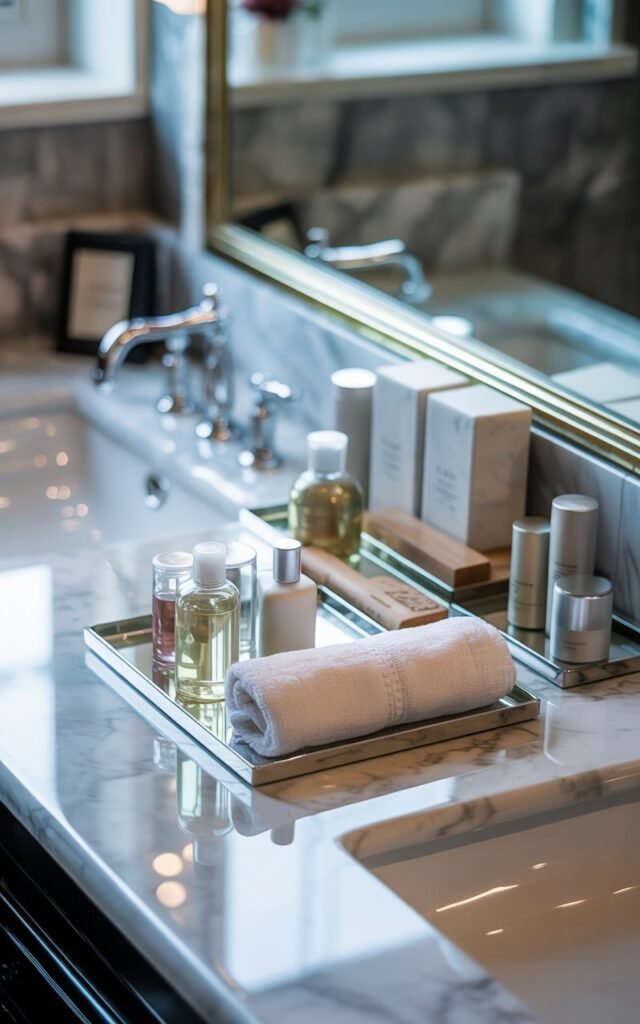
Cleaning isn’t just about removing dirt; it’s also about making a space look visually tidy.
Early on, I wasn’t sure how to make surfaces look neat, even when they were perfectly clean.
Then I learned a simple trick from home stagers: alignment.
Line up items so they are either parallel or perpendicular to the edge of the surface they’re sitting on.
This creates clean, straight visual lines that instantly make the area look organized and intentional.
Even if the surface has been thoroughly cleaned, scattered or crooked items make it look messy.
Straight lines create order and give your cleaning work the polished finish it deserves.
A Final Note on Where These Tips Come From
These tips are from my book, Clean My Space, where I share my entire cleaning method—designed specifically for people who don’t love cleaning but want a tidy home without spending hours doing it.
The book is available online and through major retailers across North America, including Amazon, Barnes & Noble, Indigo, Books A Million, and others.
There’s also an audiobook version that I narrated, as well as e-reader formats.
If you already own the book, I would truly appreciate a review on Amazon or whichever bookseller you purchased from. Reviews are incredibly important for authors.
Share Your Favorite Tip
I always love hearing from readers about which cleaning tip made the biggest difference in their homes.
Many people tell me the S-pattern changed their life or that DIY cleaners have made their routines simpler and safer.
Feel free to share your favorite Clean My Space tip and how it has improved the way you clean.
Thank you for reading, and here’s to a cleaner, easier, more efficient home.